

Sharks
A kaleidoscope of cool. Discover the spectacular spectrum of sharks! There are over 500 species, from angel to zebra. Some are speedy, some are slow. Many feast on fish, while others prefer to slurp worms or filter plankton. Their ancestors swam the seas before dinosaurs roamed the land. Today, many populations are threatened—and face an uncertain future.
All about sharks
What makes a shark a shark? Some sharks are large, others are itty bitty. Some are well-known, while many others remain less familiar. Though in popular culture sharks are large, toothy creatures to be feared, this is not always the case. In fact, many sharks around the world need protection so they can help maintain a healthy ocean for generations to come.
All sharks share these important characteristics:
- Soft skeletons
No bones? No problem! Instead of the hard bones that make up the human skeleton, sharks have softer skeletons made of cartilage—similar to what we have in our noses and ears. - Five to seven gill-slits
Sharks have five to seven gill-slits on each side of their body. Gills are a shark’s respiratory organ—gases are exchanged with the water that flows over them. In its simplest form, oxygen is absorbed and carbon dioxide is released. - Fins for swimming, steering and balance
Sharks swim using their caudal fin—which is sometimes called the tail fin. Sharks generate swimming power by moving their caudal fin from side to side. Pectoral fins, found on a shark's side behind the gills, are used for lift and steering. The dorsal fin is used for balance: it keeps the shark upright and stabilized, preventing it from rolling or spinning. - Teeth that regrow
A shark's teeth fall out throughout its life and are continually replaced—this is called “revolver dentition.”
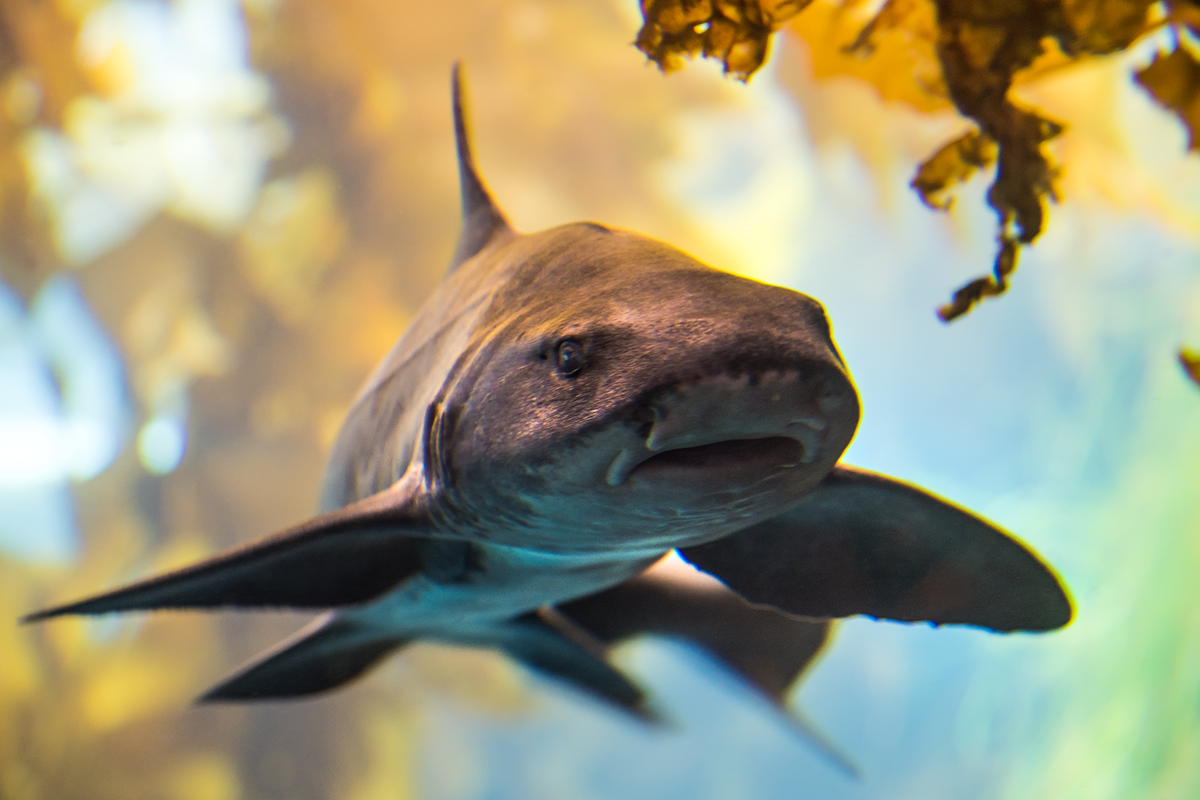
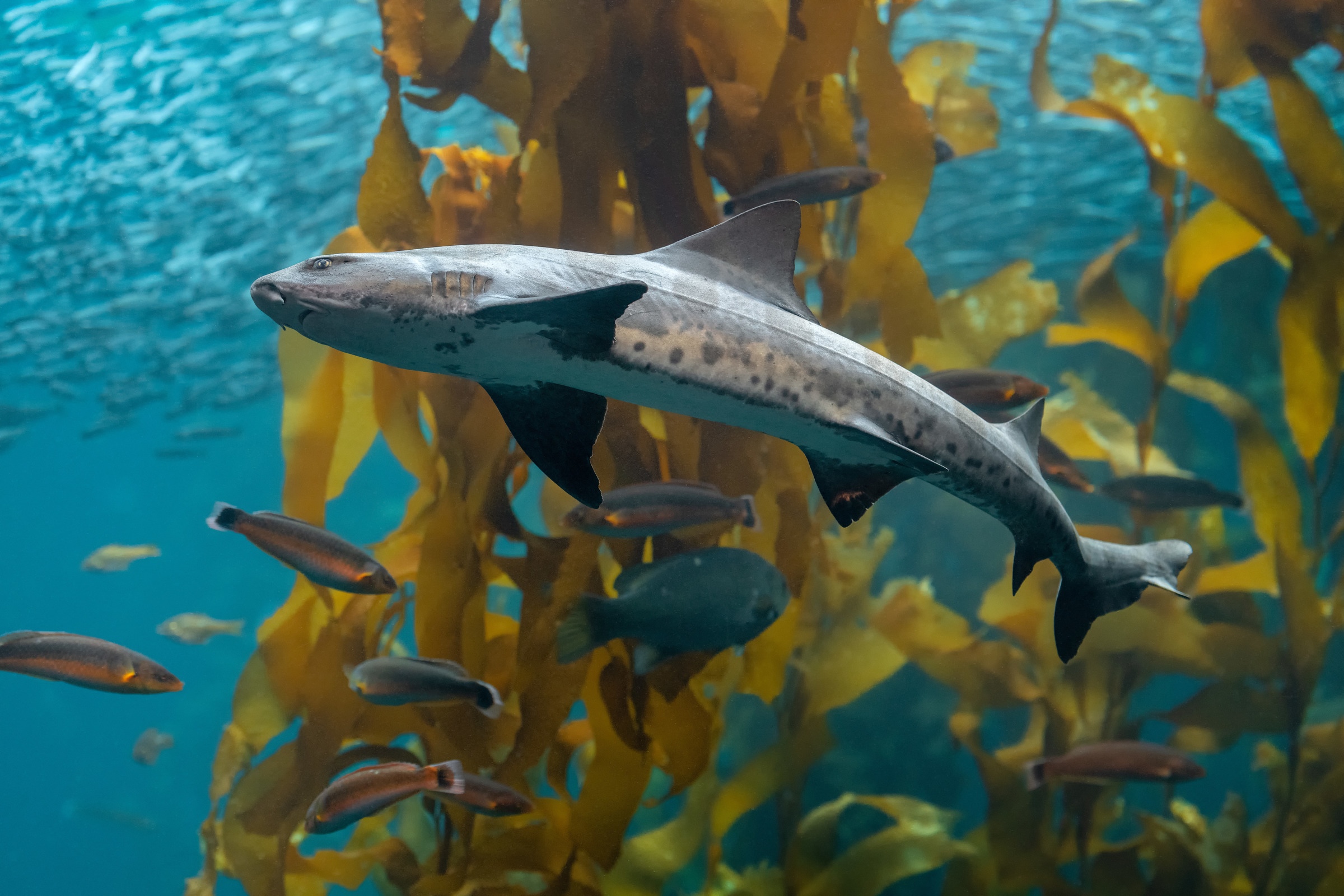
Leopard shark (Triakis semifasciata)
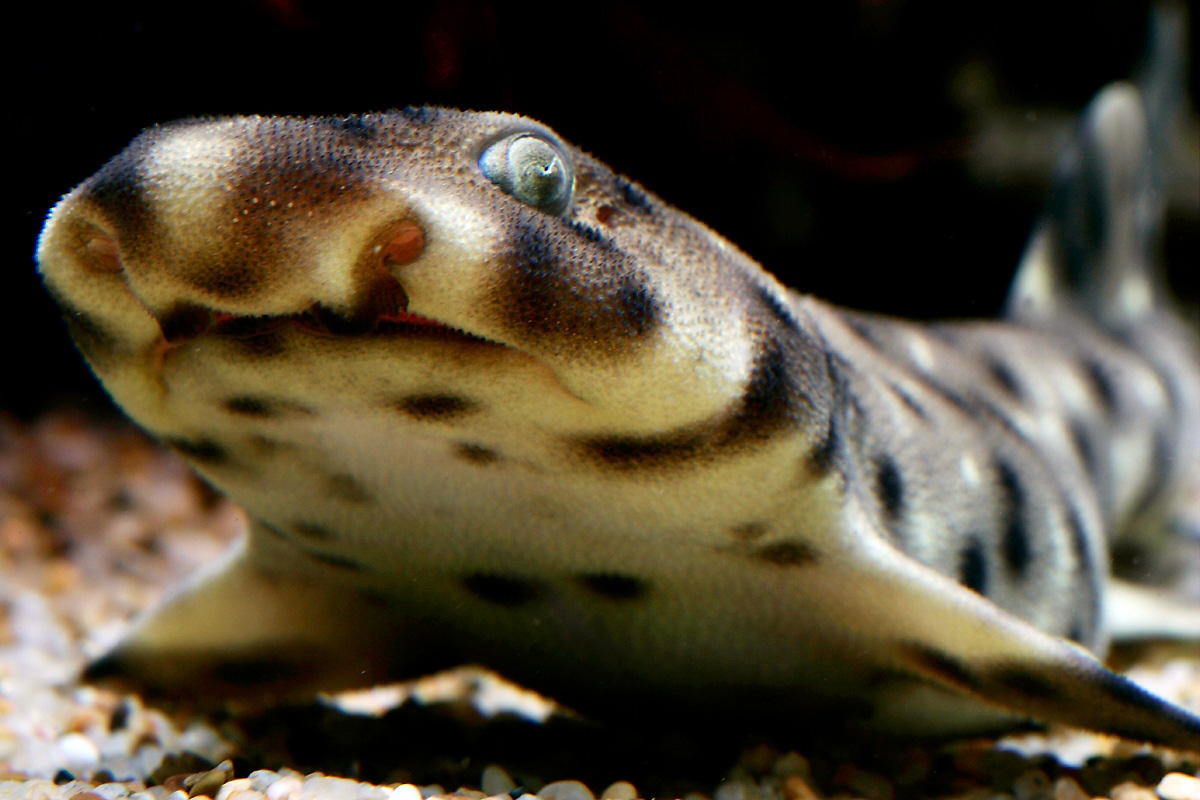
Swell shark (Cephaloscyllium ventriosum)
Diet
Shark food varies from species to species. While some enjoy a marine mammal meal (like a seal), others prefer to feast on fish. Some, like the basking shark, even eat tiny plankton!
Scientific names
Sharks are part of the class Chondrichthyes, which includes all cartilaginous fishes such as skates, chimaeras and rays. If you’ve ever heard sharks referred to as elasmobranchs, it’s a reference to their subclass — Elasmobranchii.
Are sharks fish? Or are they mammals?
Sharks are not mammals, they are a fish. Specifically, they are elasmobranchs—which means they’re a cartilaginous fish along with skates, rays and chimaeras.
Habitat
Sharks live all over the world, from the depths of the deep sea to shallow waters, in freshwater and saltwater. Freshwater sharks aren’t common though—three species of elusive and mysterious river sharks (genus Glyphis) are found in Southeast Asia, Australia and Papua New Guinea. The vast majority of sharks will live their lives entirely in salt water. The bull shark (Carcharhinus leucas), although generally known as a marine species, will enter brackish water (water that contains more salt than freshwater but much less than seawater). It is the only known marine species that can tolerate prolonged exposure to freshwater. It can even travel up and down rivers at will. Bull sharks often give birth to their young in estuaries, using the estuary as a nursery that provides more protection than the open ocean.
Size
Sharks come in all sizes. The smallest shark in the world is the dwarf lantern shark (Etmopterus perryi), which could fit in the palm of your hand. The largest, the whale shark, grows to 46 feet (14 m).
Related videos
The skin they're in
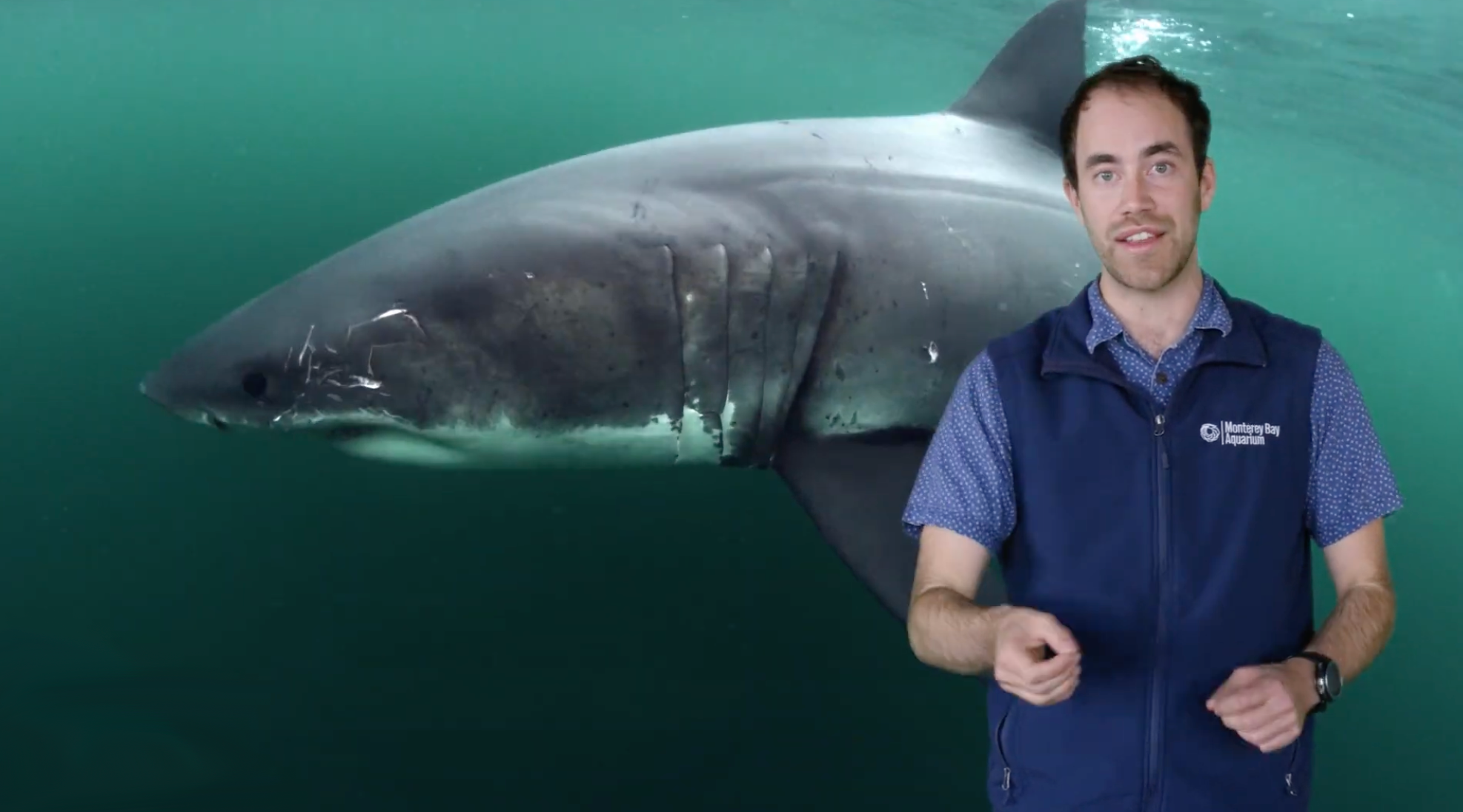
Shark skin is fascinating. There’s lots to chew on, you could say.
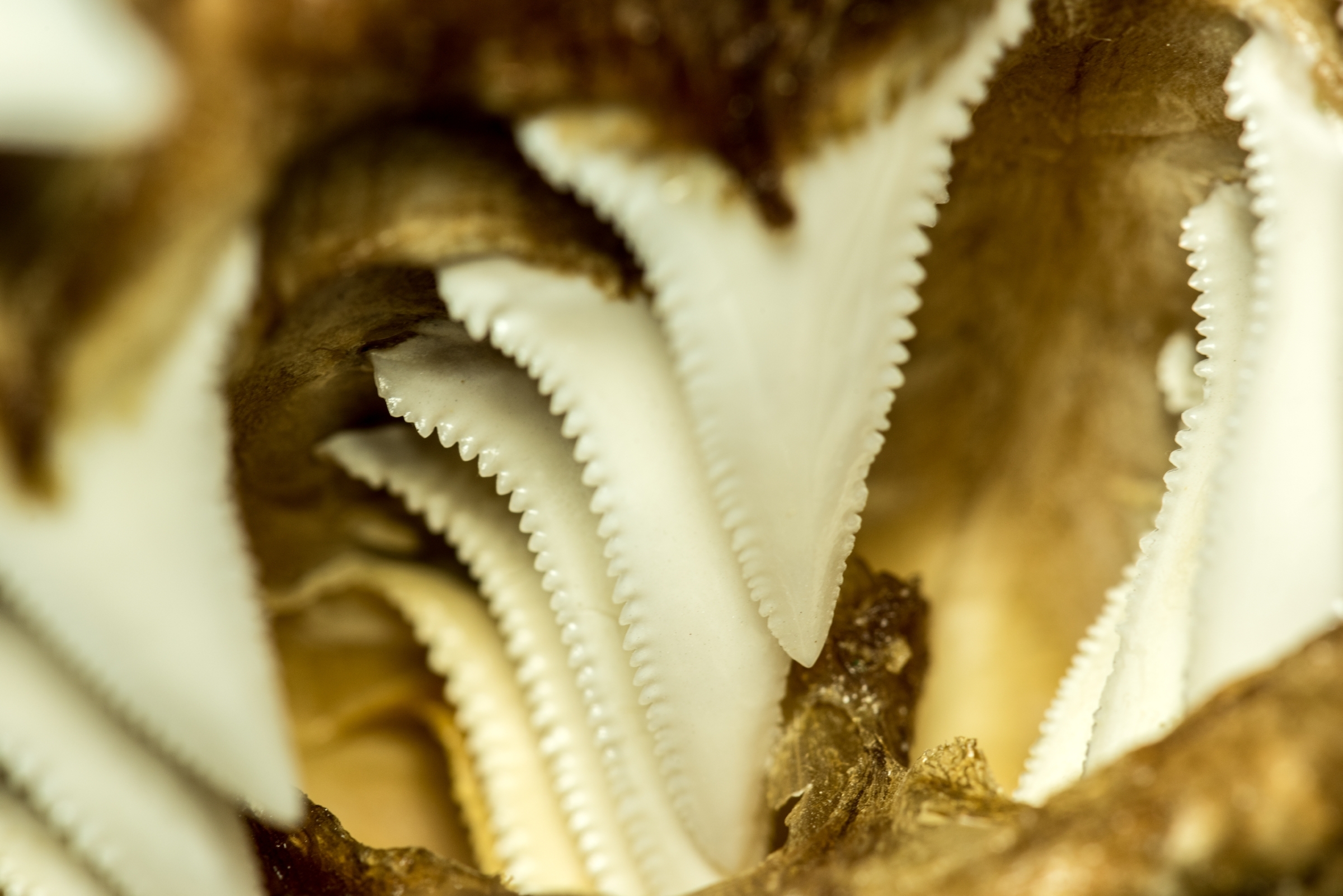
All sharks have teeth—but the teeth look different depending on what that shark eats. The white shark, for example, uses its large, triangular-shaped teeth (pictured) to pierce and hold onto prey like seals. The basking shark, by contrast, is a filter feeder and eats plankton by continually swimming with its mouth wide open. Sharks that filter feed have tiny teeth that line their mouth and help to strain the plankton before the water exits their gill slits—in other words, they don’t use their teeth to grab prey.
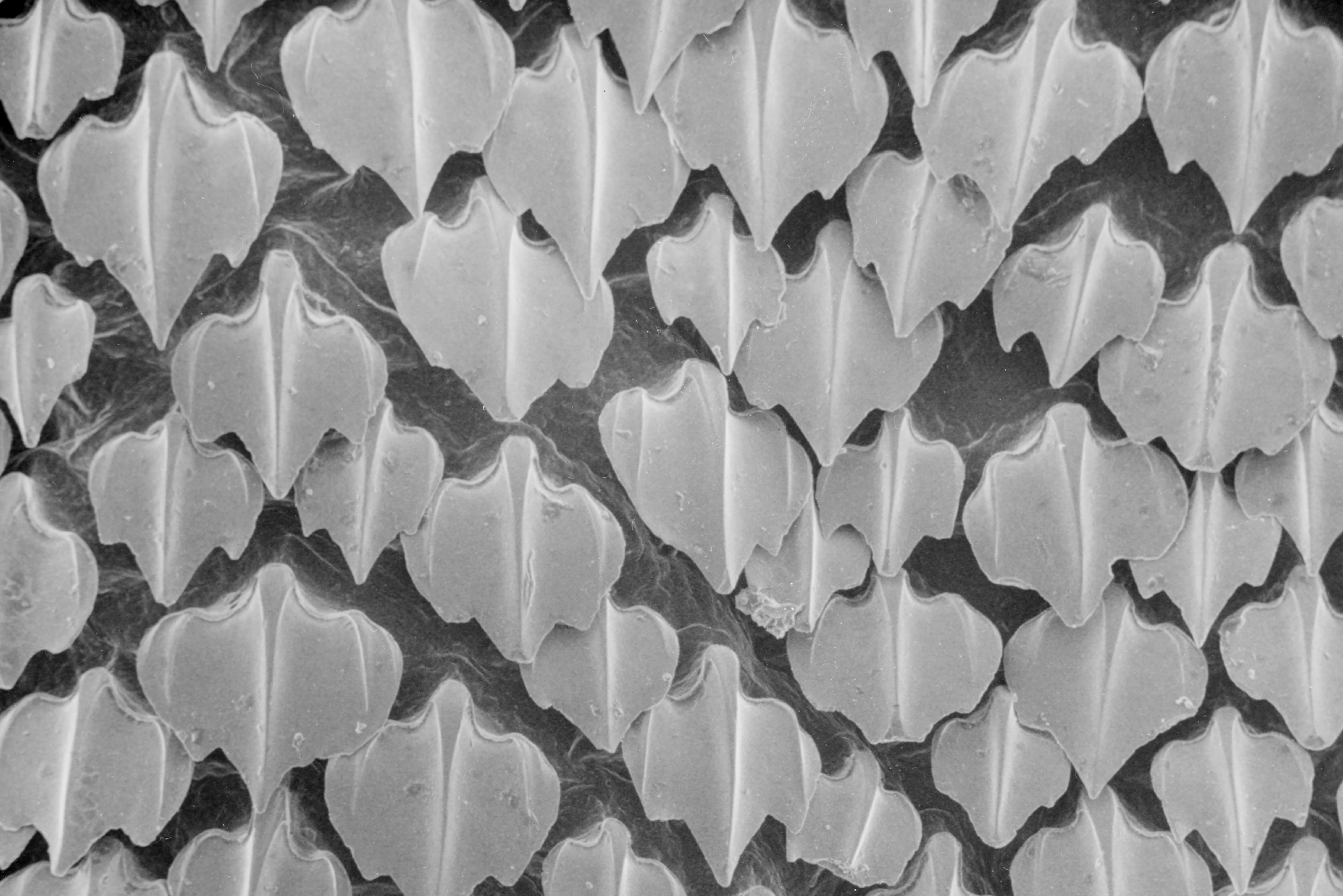
A magnified view of dermal denticles—the "teeth" that make up shark skin.
Eyes and vision
Different bite, different sight. Shark eyes are all different depending on how that particular shark survives in its environment. For example, the lemon shark, which lives in dark waters, can turn on an extra layer in its eye to improve its low-light vision.
Color vision? One thing all sharks may have in common is colorblindness! Sharks have only one type of cone (the photoreceptor responsible for color vision) in their retina, which may mean they can’t see color at all.
Safety first. Many shark species have a thin but tough inner eyelid called the nictitating membrane. Sharks use this membrane to protect their eyes from damage in instances such as taking down prey.
Smell you later
The rumors are true: sharks can smell. Just under their snout, sharks have two nares (nasal cavities). Each has two openings: one where water enters, one where water exits. Smelling helps sharks sniff out a possible source of food in the distance. Not all sharks smell in the same way. Some, like the nurse shark, can sense how concentrated a substance is in the water—and follow it right to the source of a scent. Others, like bull sharks, must follow the current and use their vision to find the source.
Can sharks smell a drop of blood from a mile away?
No, they can’t. Science has proven this to be a myth. The distance at which a shark can smell blood depends on a number of factors.
In good taste
There is evidence that sharks have a sense of taste. Specifically, sharks can taste fatty substances. This tells the shark whether the thing it has bitten is delicious food or not.
Electric feel
Sharks have pores on their heads called ampullae of Lorenzini, or electroreceptors. These allow them to sense weak electrical fields like those created by the muscular movements of prey—even one as invisible as the beating heart of an animal hidden in the sand.
Related videos
Shark feedings at the Aquarium
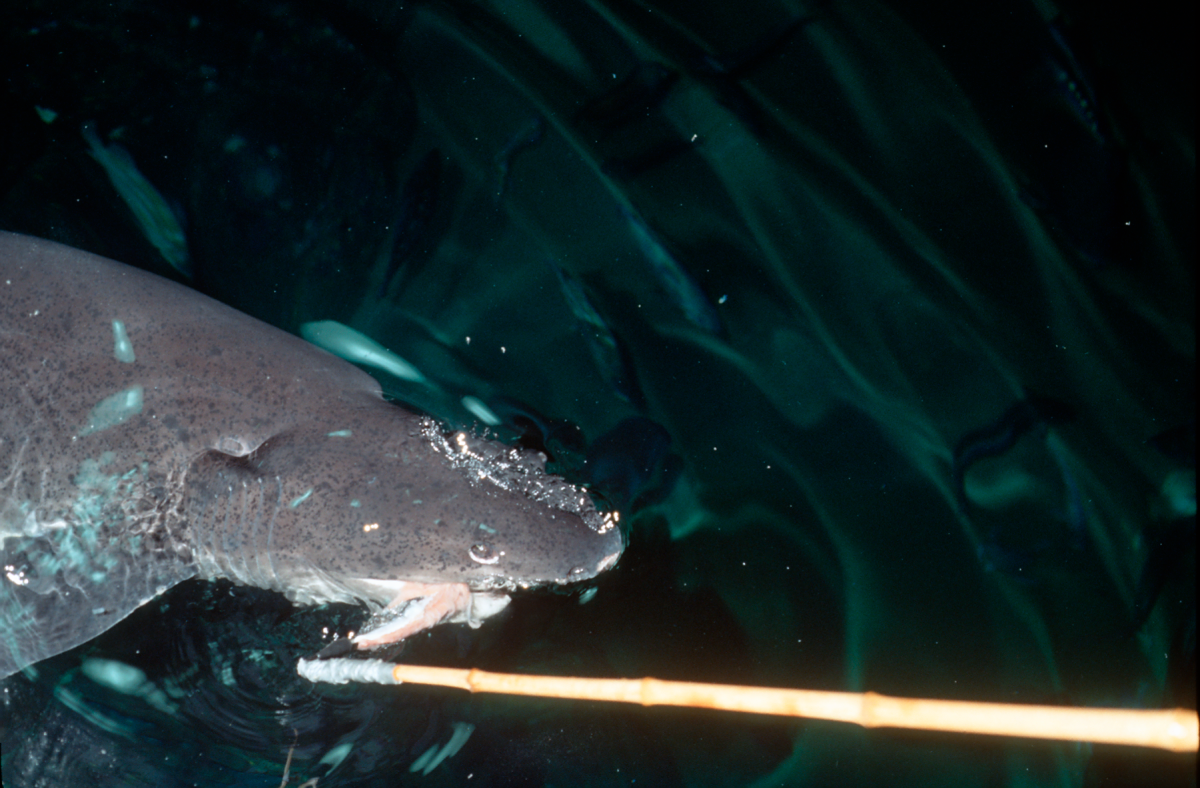
Watch our aquarists feed sevengill, spiny dogfish and leopard sharks in our Monterey Bay Habitats exhibit. Hand-feeding helps ensure that our sharks get just the right amount of food.
Related videos
More sharks at the Aquarium

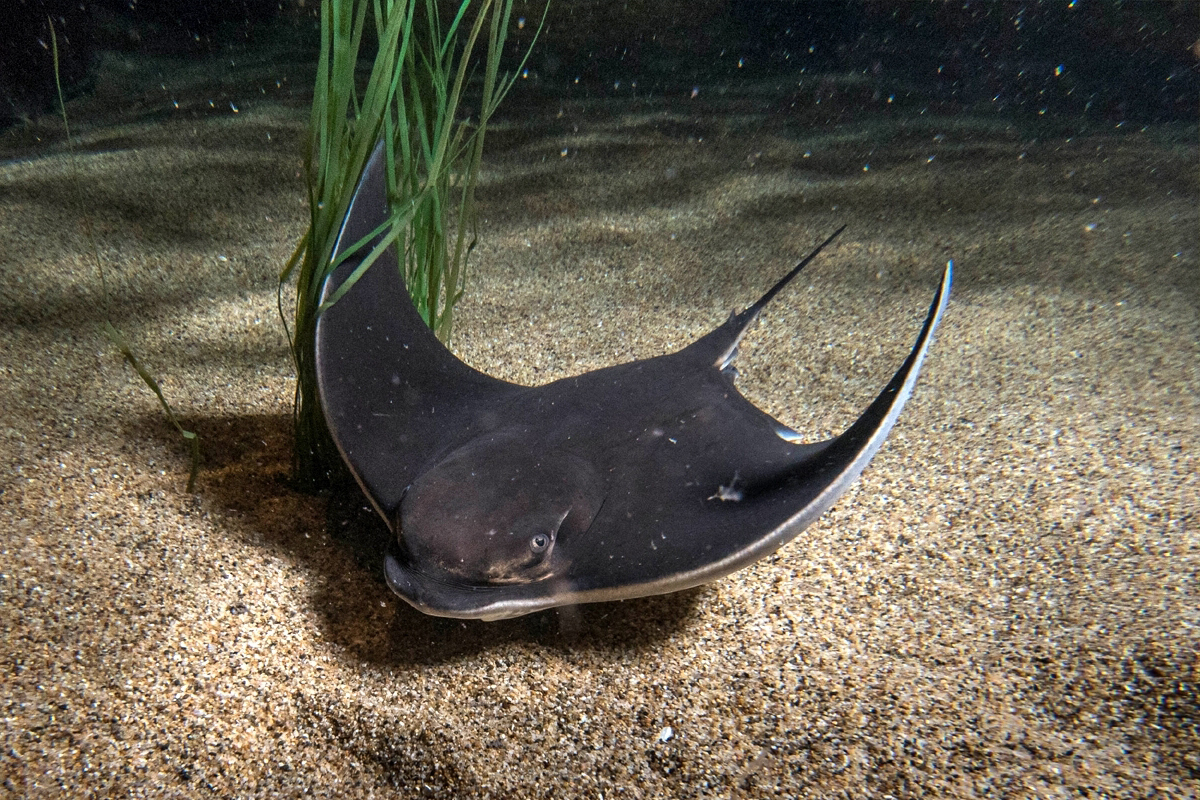
We are proud to be home to a dozen local species of sharks, skates and rays. Each of these species is a part of a healthy, balanced ecosystem in the wild Monterey Bay.

Hand-feeding sevengill sharks with aquarist Ann. See what it takes to care for a sevengill shark behind-the-scenes!
Types of sharks
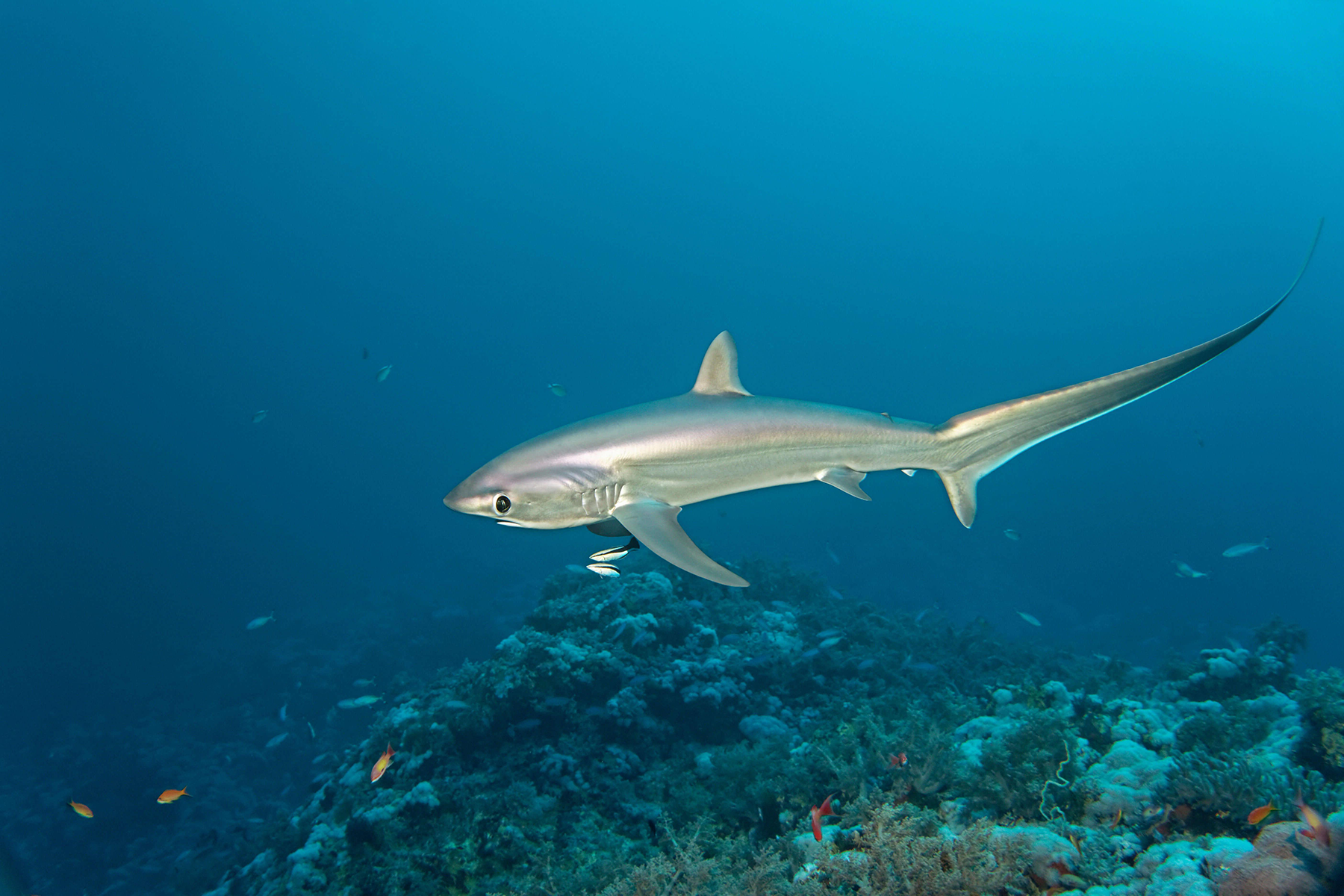
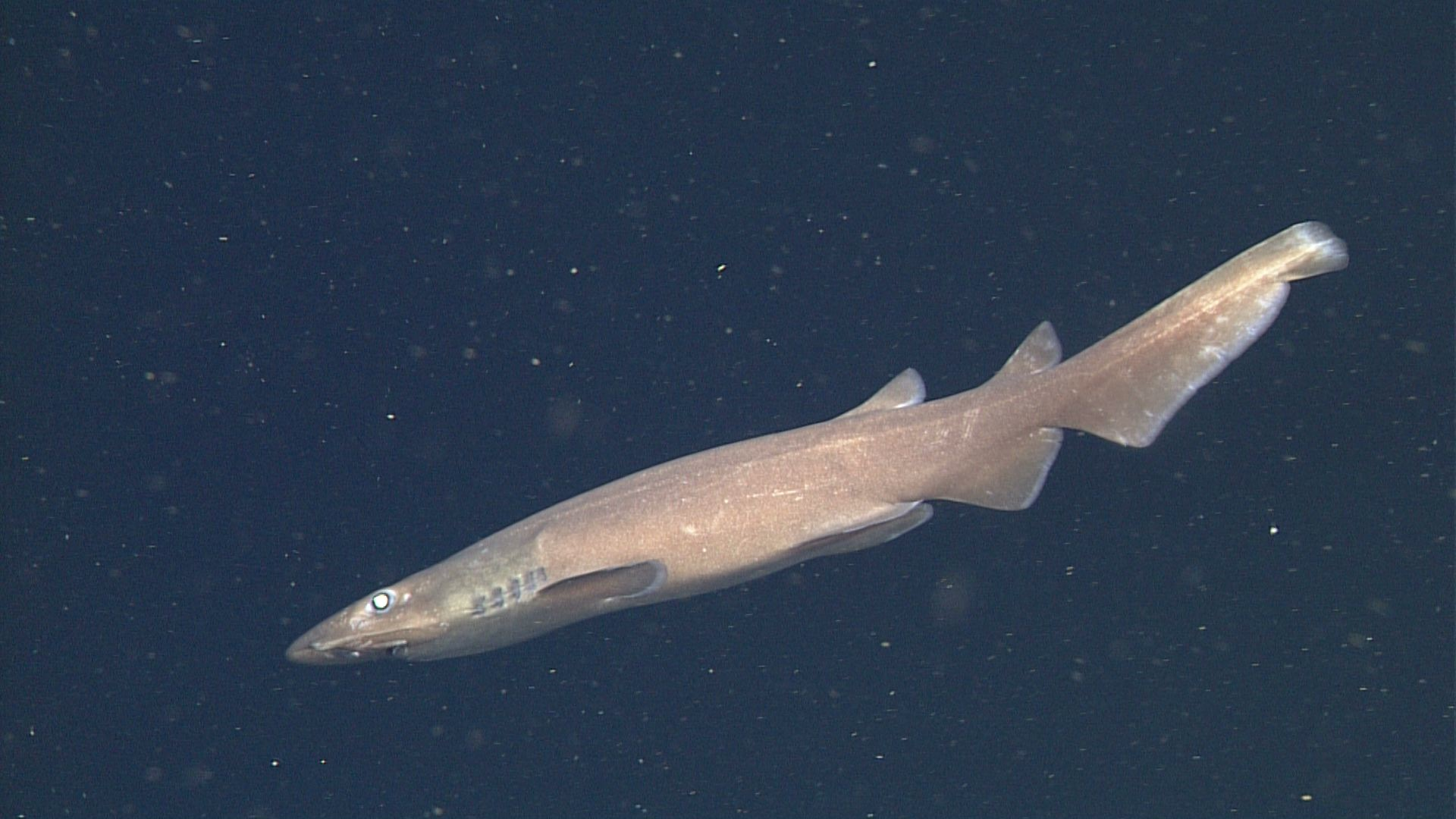
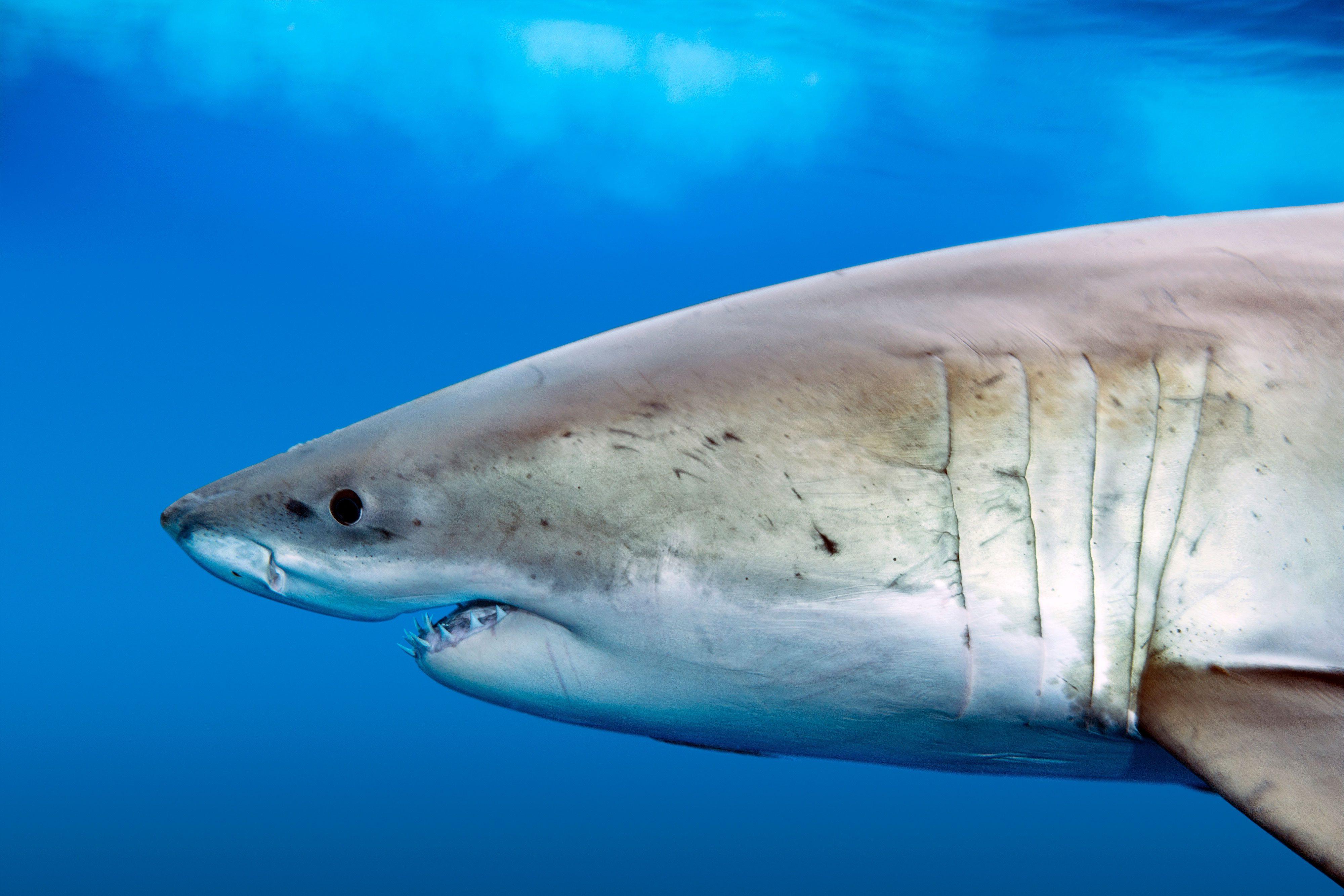
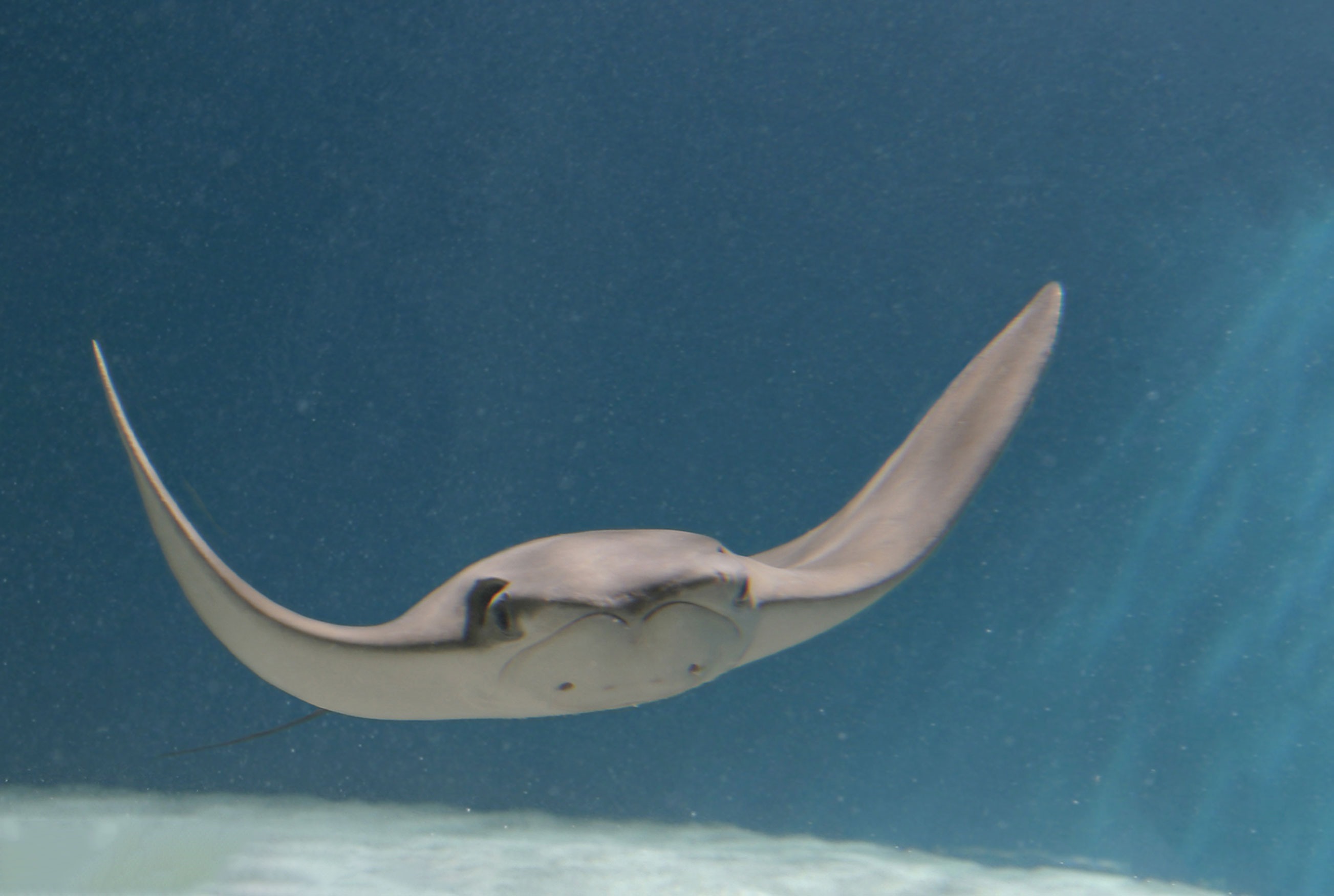
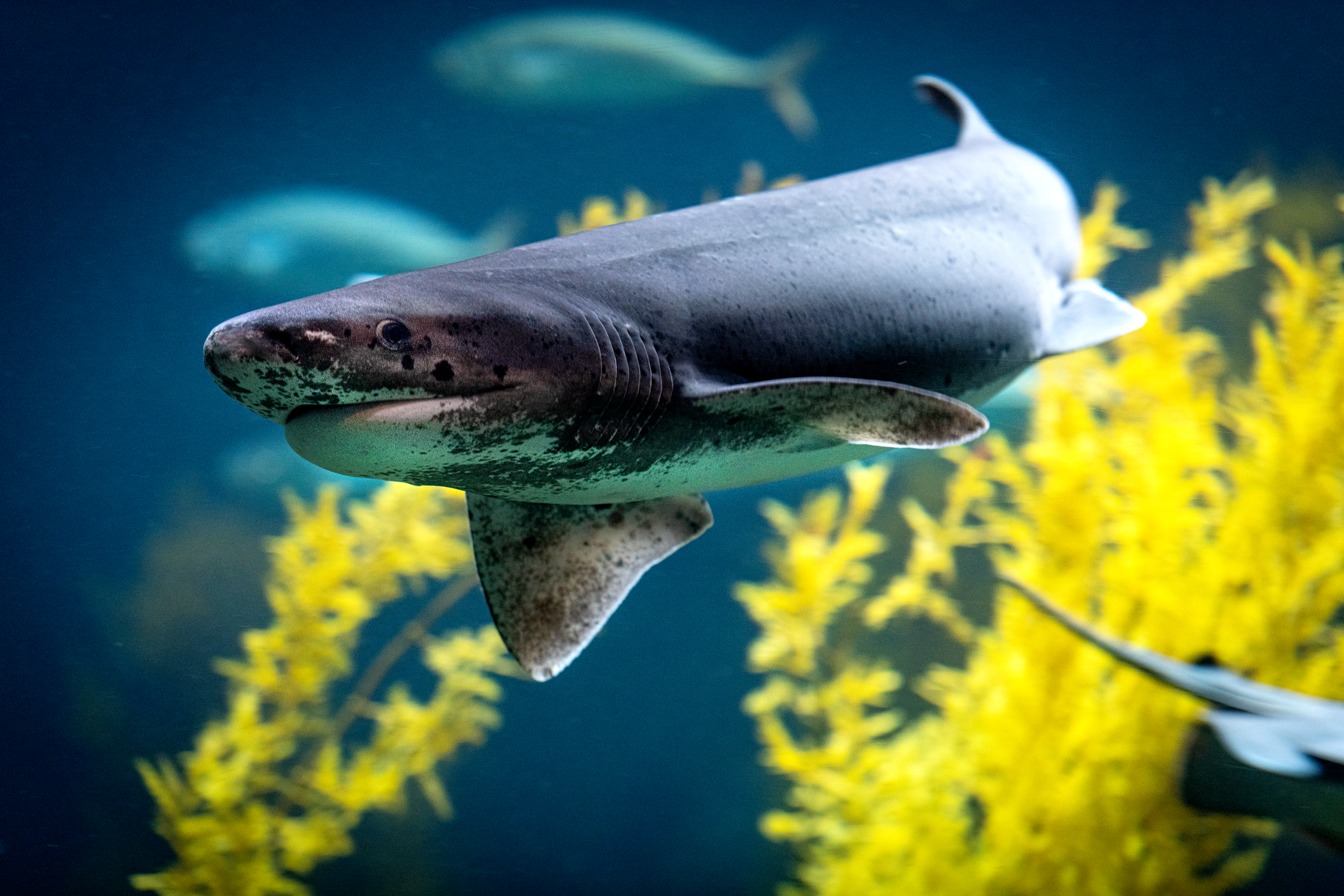
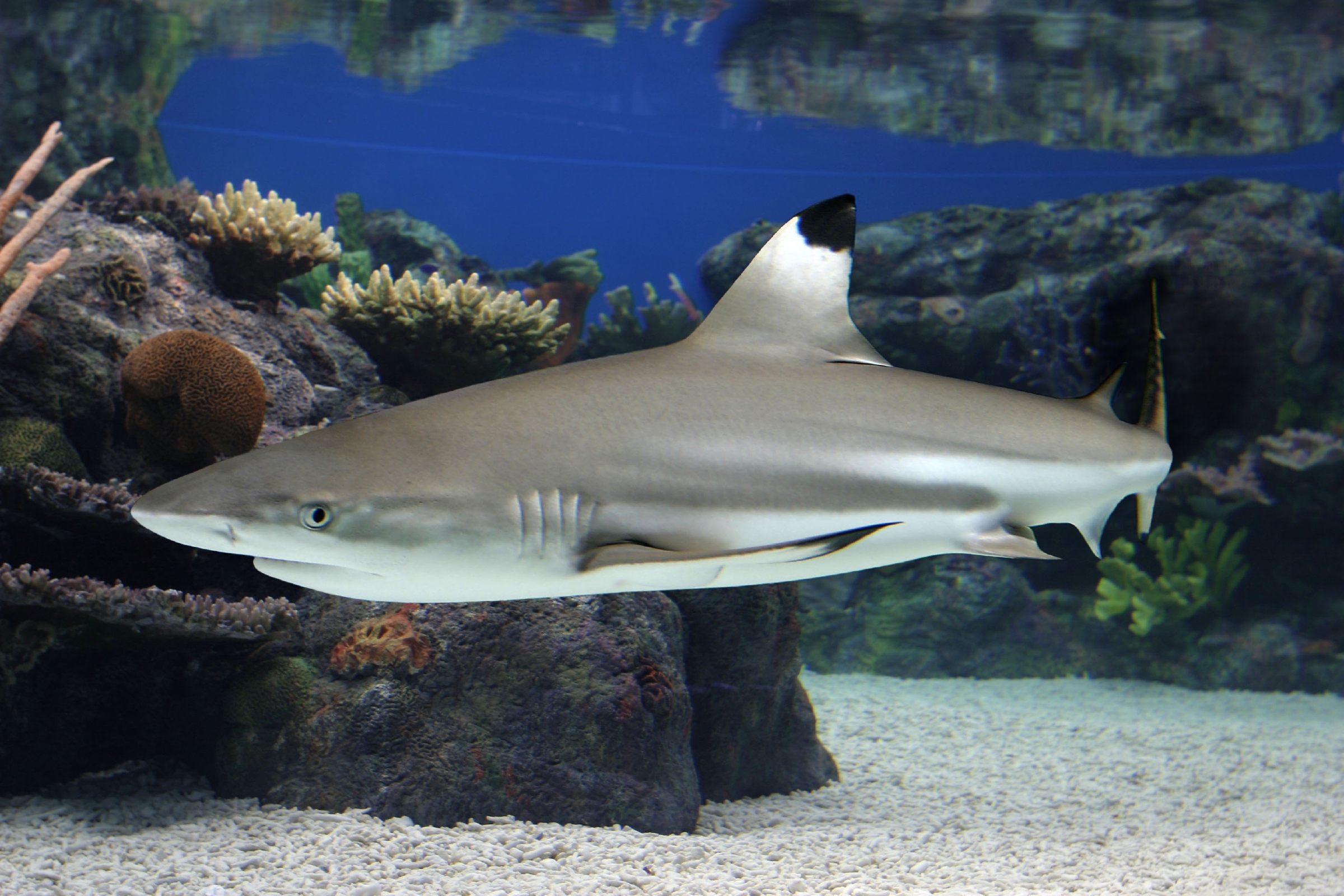
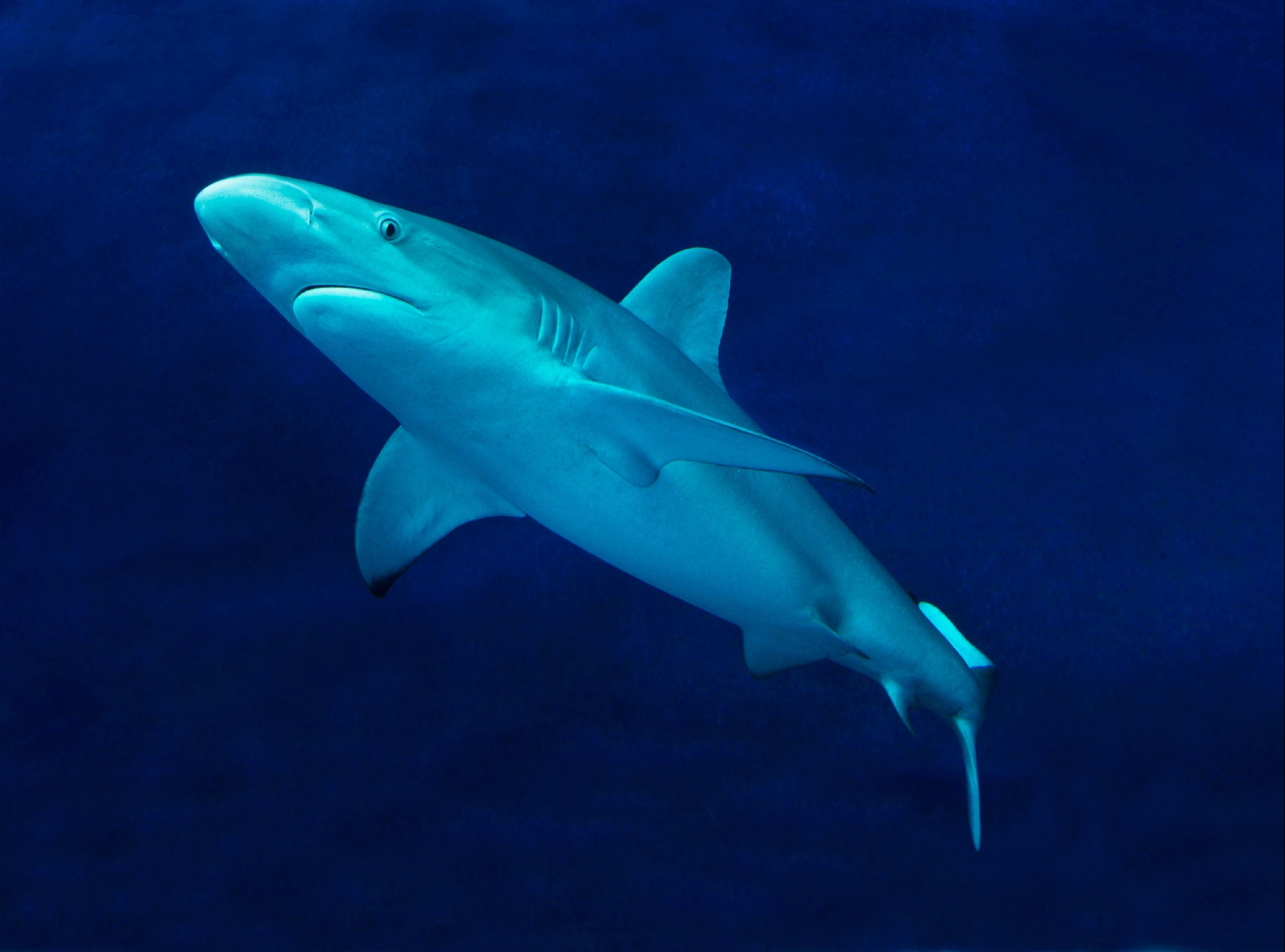
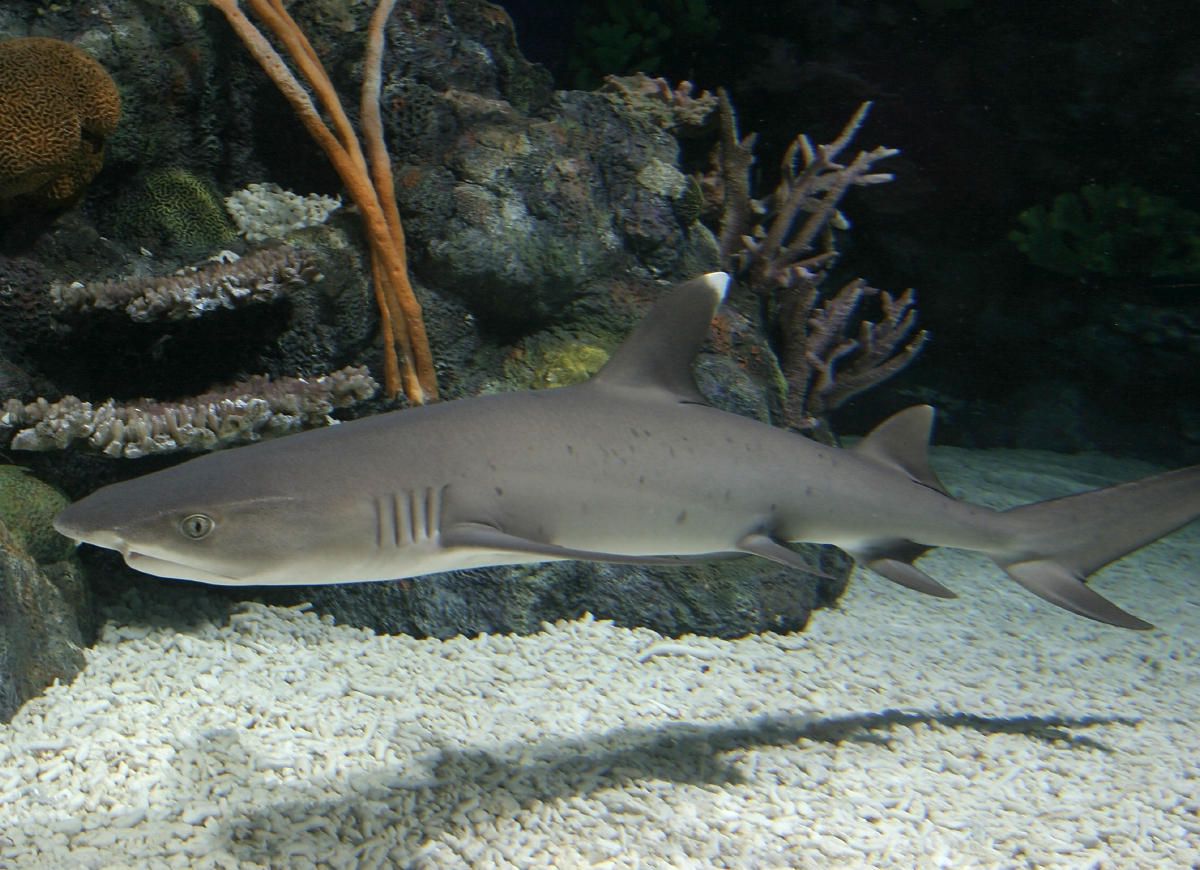
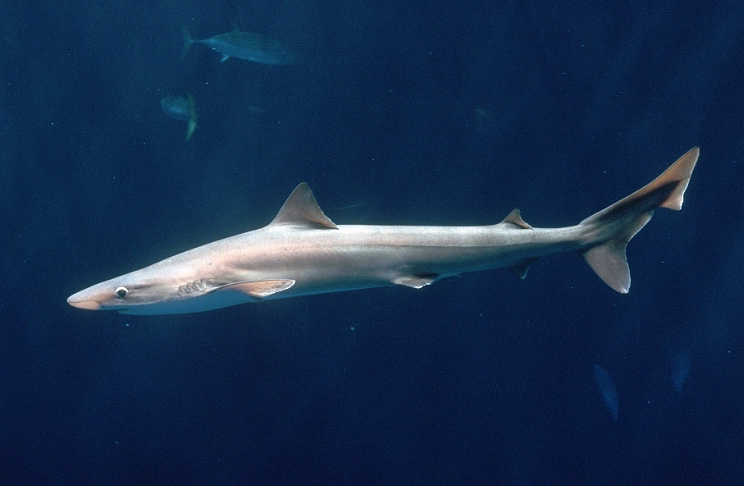
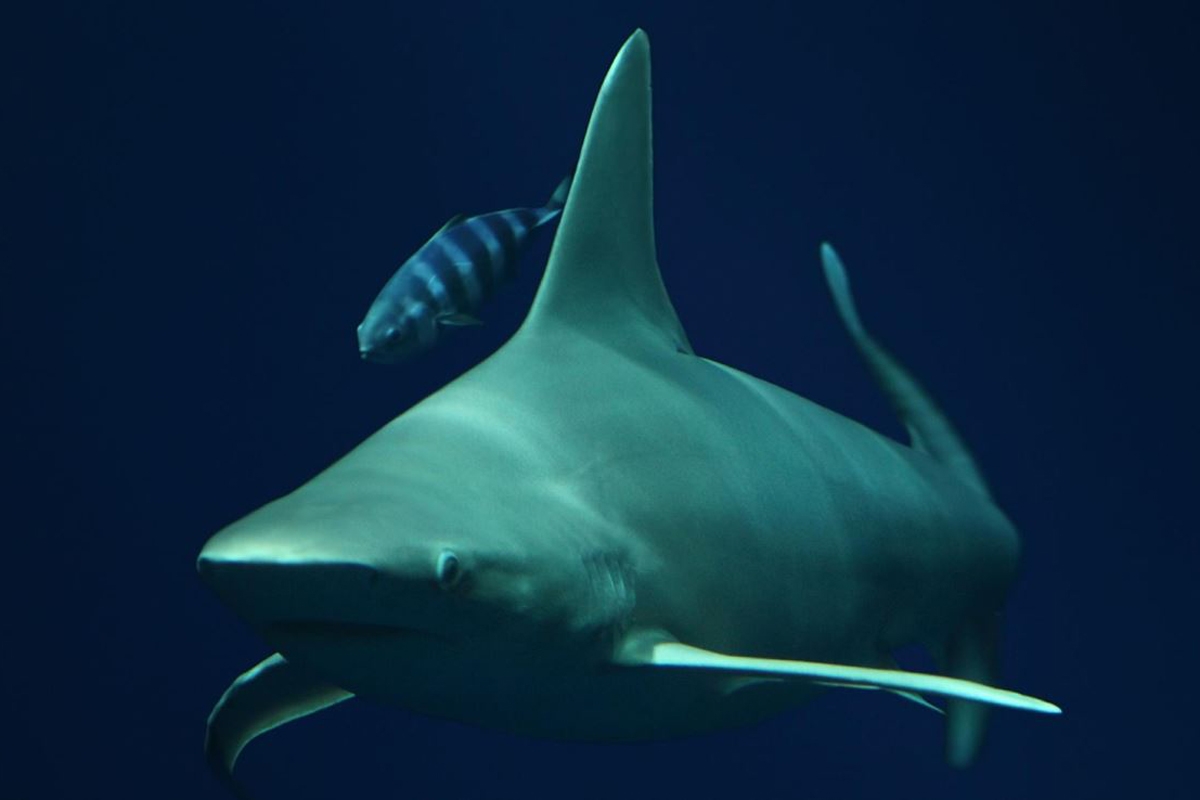
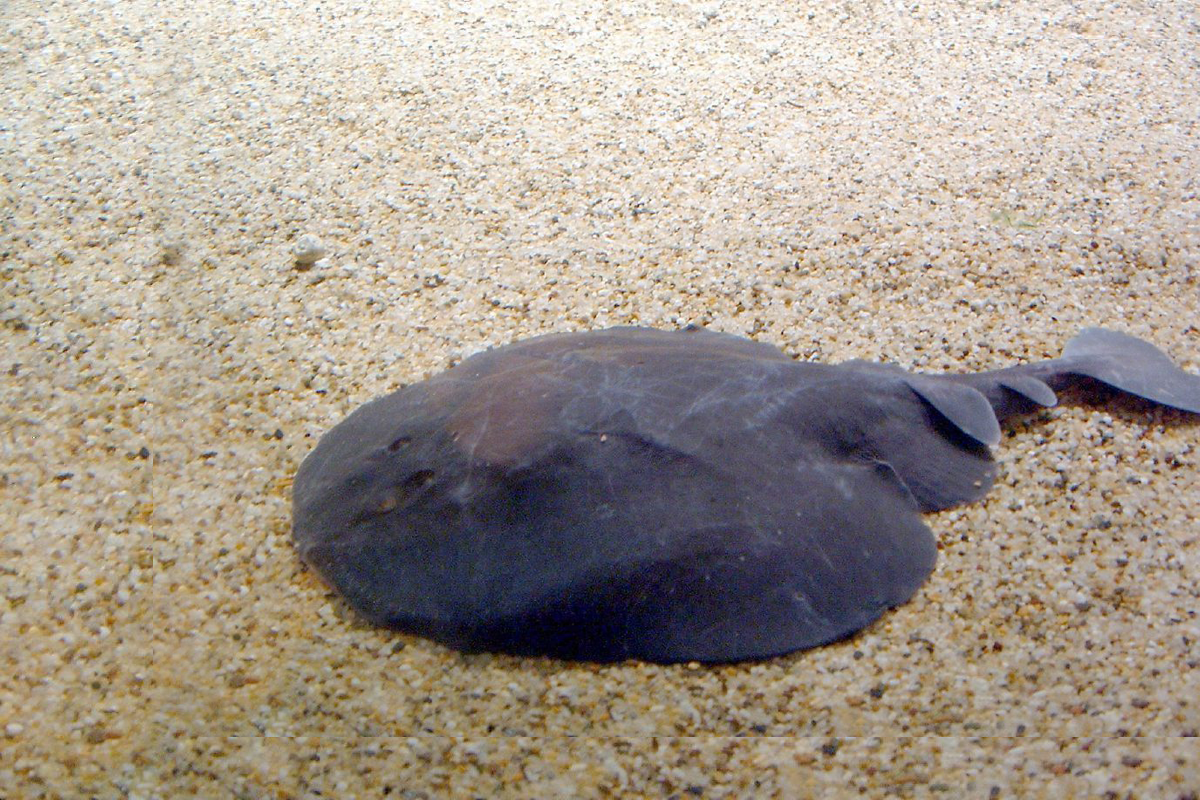
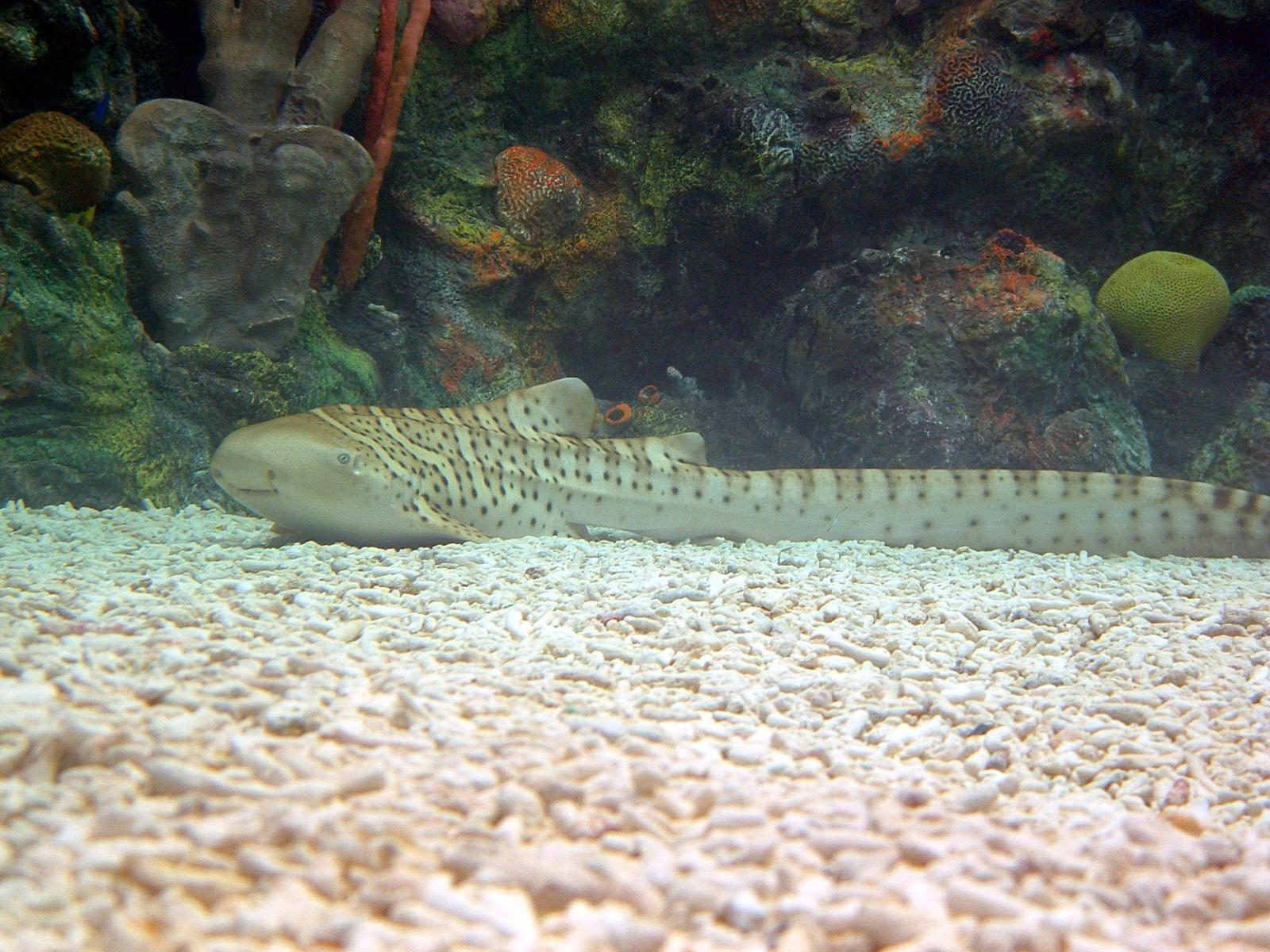
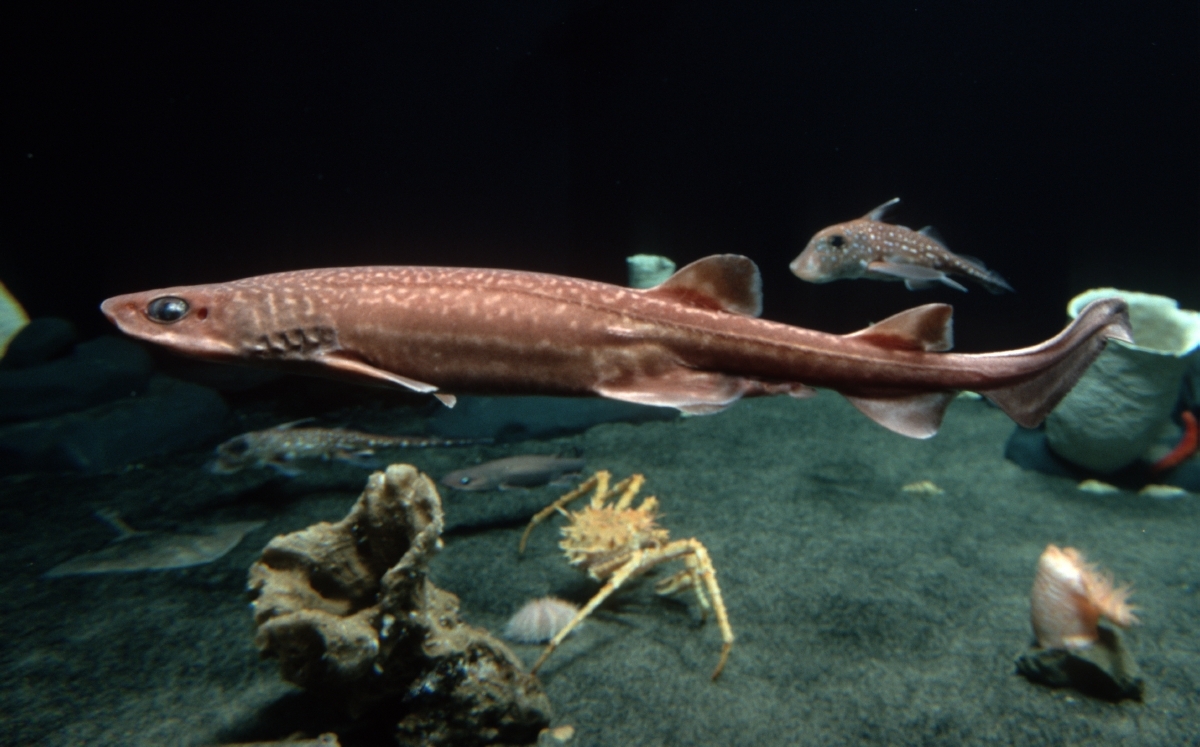
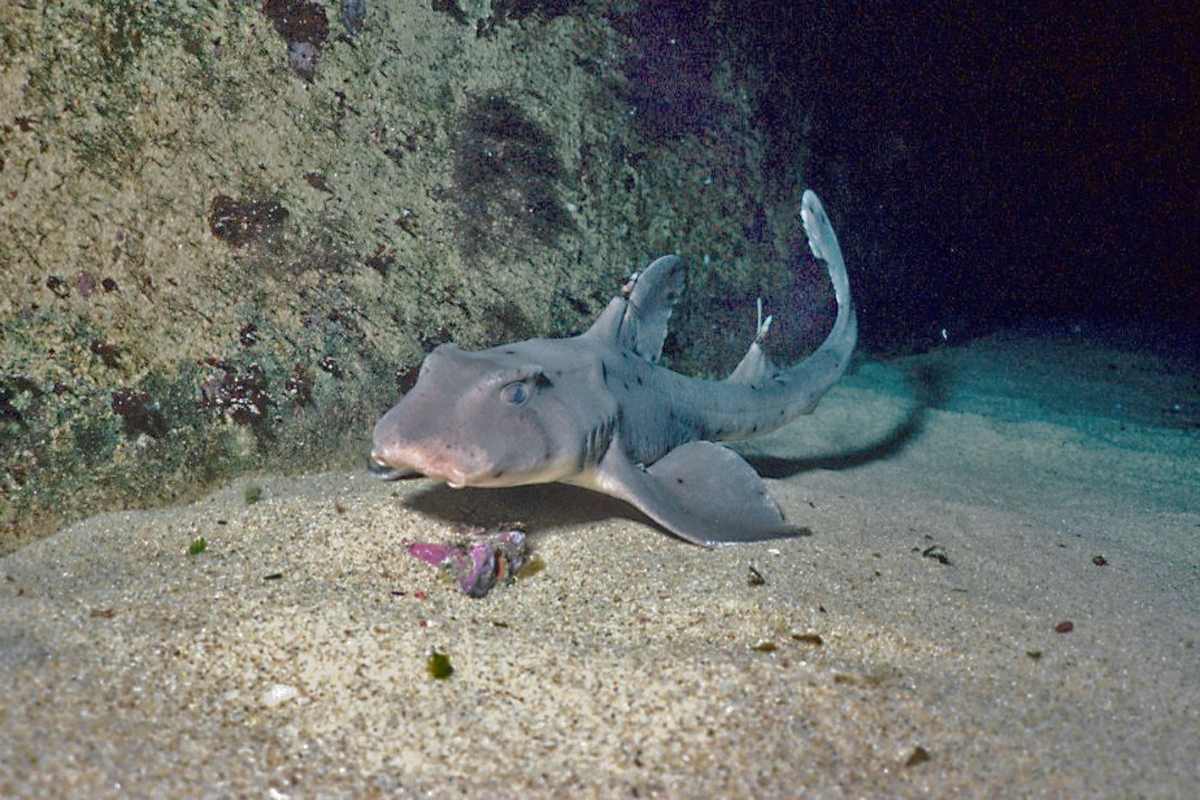
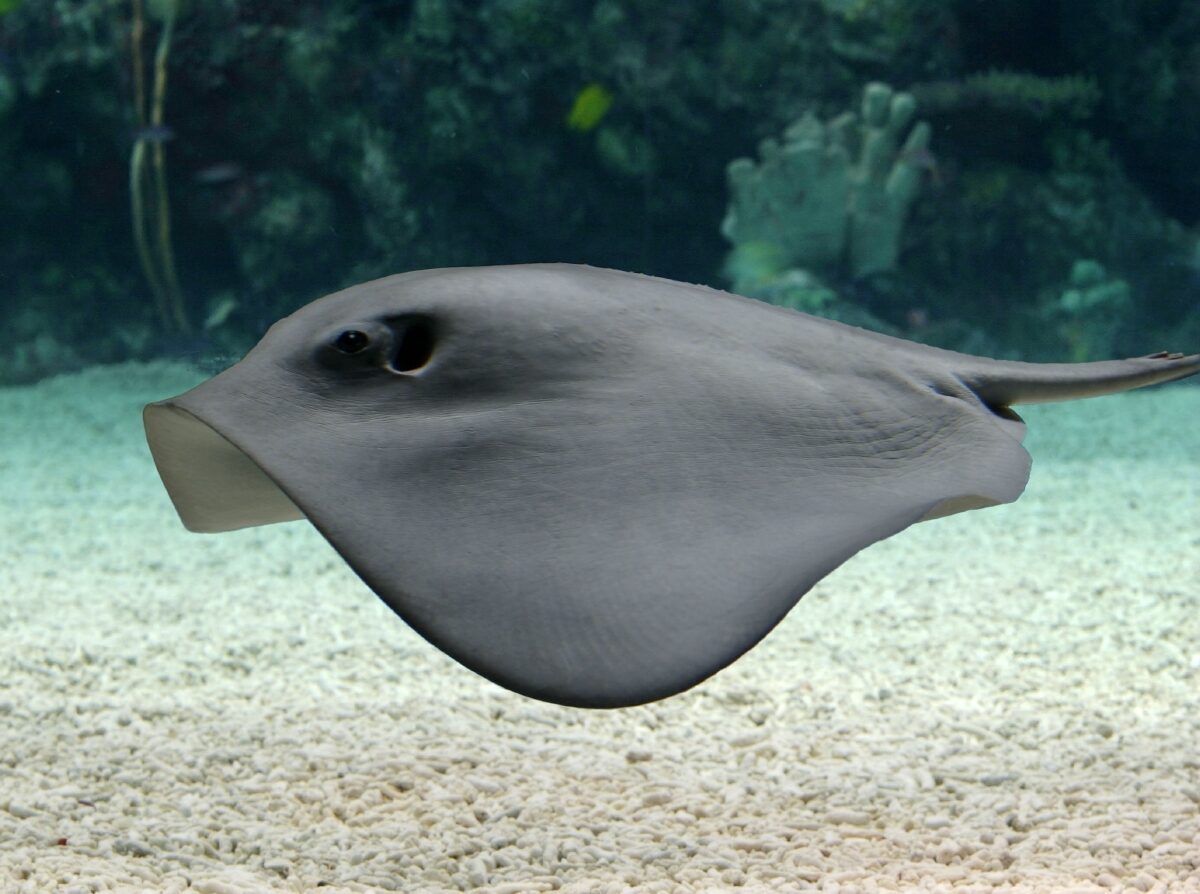
They’re finned and they’re fascinating. Explore our shark animal guides to dig into delightful details about different species of fascinating sharks!
Related videos
Beautiful sharks in the wild
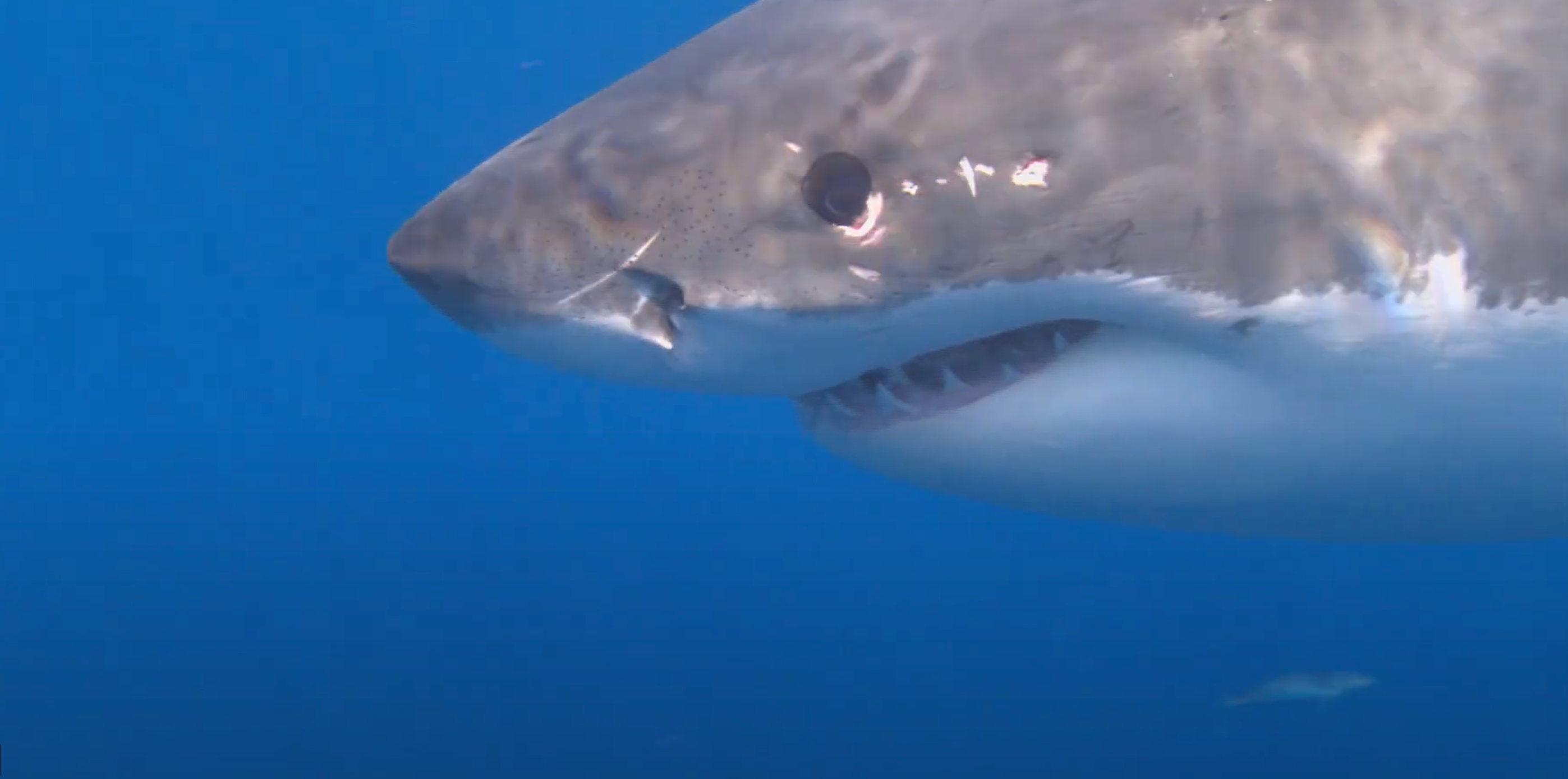
There’s a huge diversity of spectacular shark species gliding through our ocean. Watch our footage of some amazing shark species in the wild—you won’t see these at the Aquarium!
Conservation
Why sharks are important
Sharks help support a healthy ocean. Large sharks, like white sharks and hammerheads, are predators that keep populations of other animals in check. Human activity that threatens shark populations also puts the health of the entire ecosystem at risk.
Threatened, not threatening
Despite popular perceptions of sharks as invincible, shark populations around the world are declining because of overfishing, habitat destruction, gill netting and other human activities. Of the 501 known species of sharks, 74 are near extinction and another 210 species can’t yet be assessed due to lack of data, according to the International Union for the Conservation of Nature (IUCN). Sharks and rays need our protection to ensure their future.
Threats and risk of extinction
Bycatch
When a shark is caught accidentally by a fisherman intending to catch something else, it is considered bycatch. One fishing method that resulted in lots of bycatch is the use of gill nets. This fishing method was once very popular and caused a decline in white seabass, halibut, sharks and even marine mammals. Although we've seen a positive impact from banning gill nets in California, many discarded, old gill nets are still out there. Dive groups go out to remove these nets, one by one.
Finning
When a fisherman slices off a shark’s fins and discards the remaining body back into the ocean, it’s known as “shark finning.” This wasteful practice is a significant threat to sharks. Between finning and accidental bycatch, about 100 million sharks are killed each year.
In part, finning is used to meet the demand for shark-fin soup, an expensive delicacy served around the world. Fortunately, states and countries worldwide are banning this practice. In 2011, an Aquarium-sponsored bill was enacted in California with tremendous public support, banning the trade of shark fins. Since then, several other states have enacted similar laws. Visit Seafood Watch for more information on shark fishing.
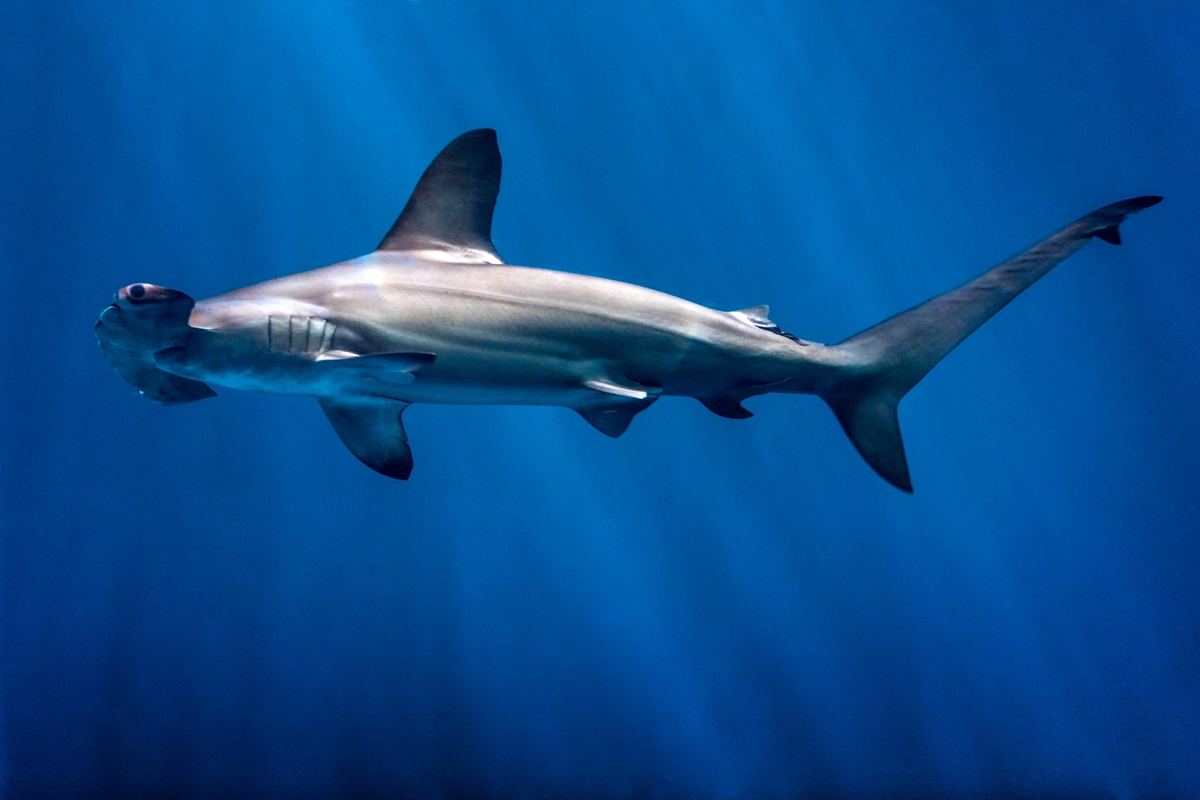
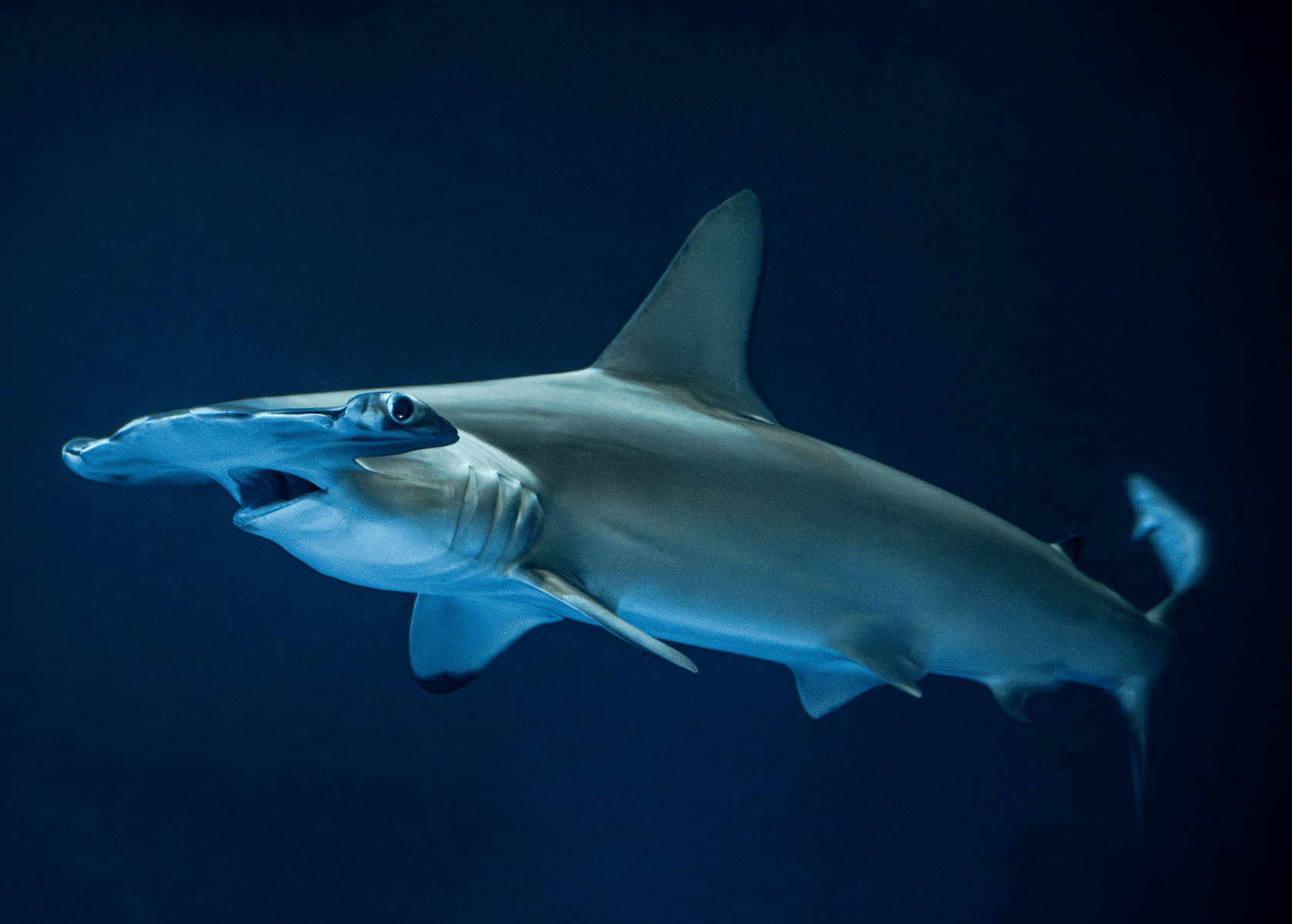
Hammerhead shark (Sphyrna lewini)
Keep exploring
Animals & the ocean
Cephalopods
Cephalopods have fascinated generations of people with their elusive nature and captivating appearance.
Read more – Cephalopods
Animals & the ocean
Jellies
Jellies are nature’s strangest wonders—no bones, brains, teeth, blood, or fins, but far from simple.
Read more – Jellies