
Sustainable tilapia buying guide
Tilapia has become one of the most popular and common whitefishes in the United States. In fact, on average, we each eat almost one pound of tilapia a year! Environmentally sustainable tilapia can be tough to come by, but tilapia lovers should not despair! There are a handful of environmentally friendly options, but it’s important to know what to buy and what to avoid.
Quick buying guide
Virtually all tilapia is farmed and imported to the U.S. There are sustainable options available, but most global production is red-rated or hasn't been assessed, so it’s important to look for tilapia from the countries or certifications listed below.
- Buy tilapia from Colombia, Indonesia, or Taiwan.
- Most tilapia exported from Mexico to the U.S. is rated yellow and ASC certified.
- Buy Aquaculture Stewardship Council (ASC), Global Seafood Alliance Best Aquaculture Practices (BAP), or Naturland certified tilapia.
- Avoid tilapia from China because the industry’s habitat, chemical, escape, and disease impacts are major concerns.
What to buy or avoid?
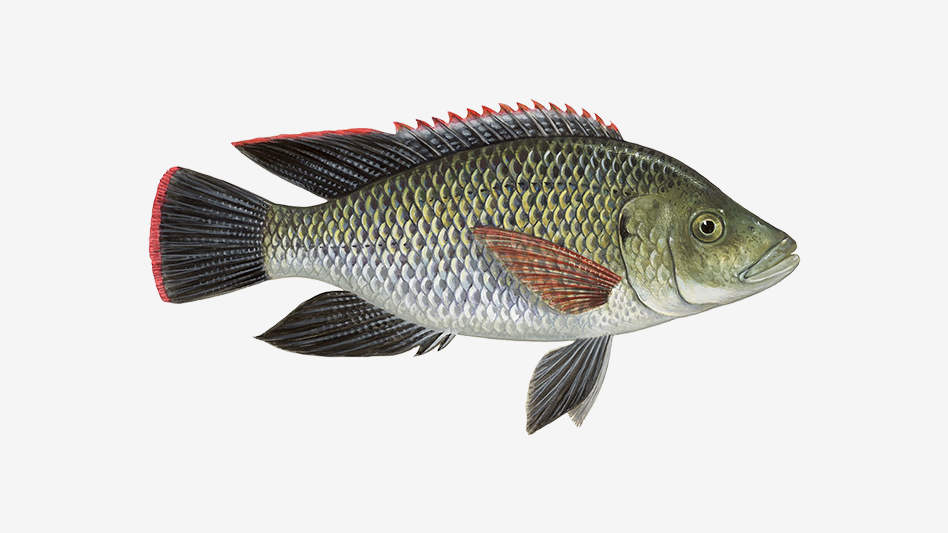
© Scandposters
Fresh or frozen tilapia
There are many tilapia species, and we currently have ratings for blue, hybrid, hybrid red, Mozambique, Nile, sabaki, and wami tilapias. When shopping or dining, you only need to know the country where the tilapia was farmed, or if it’s from a certified source we recommend.
- Buy tilapia from Colombia, Indonesia, or Taiwan.
- Buy tilapia farmed in indoor recirculating tanks (also called RAS, land-based, and tank-farmed).
- Avoid tilapia from China.

Certified tilapia
Buy tilapia certified by the following organizations:
- Aquaculture Stewardship Council (ASC)
- Best Aquaculture Practices (BAP)
- Naturland
Sushi
When sold as sushi, tilapia is called izumidai.
Follow the above tips and check the Seafood Watch Sushi Guide for quick reference.
More about our tilapia recommendations
When is tilapia environmentally sustainable?
Tilapia rated green by Seafood Watch is the most environmentally sustainable. Farmed tilapia is sustainable when producers have minimal impact on wildlife and the environment.
Tilapia rated yellow means there’s significant uncertainty about impacts on wildlife and the environment or one issue that needs substantial improvement.
Tilapia rated red by Seafood Watch is not environmentally sustainable. Currently, we recommend avoiding tilapia from China for the following reasons:
- There’s reliable evidence that banned antibiotics and antimicrobials are used, and antibiotic resistance exists in the industry. Learn more about antibiotic use in aquaculture.
- Critical concerns exist about escapes because tilapia is highly invasive, and many farming regions are prone to flooding. There’s evidence that escaped tilapia has become established in many areas, and they’re vastly outcompeting local species for resources and potentially spreading diseases. Learn more about farmed fish escapes.
- Current information about habitat impacts is lacking, and regulatory enforcement is poor. Learn more about fish farming’s impacts on habitats.
What are the main tilapia farming methods?
Tilapia is mostly farmed in ponds or freshwater net pens, and some is produced in recirculating aquaculture systems, though very little of the tilapia farmed this way makes it to the U.S. market.
Here’s a quick look at these farming methods:
- Ponds are natural or built bodies of fresh or saltwater. There are many types, from simple low-tech ponds to hyper-intensive industrial ponds. Large-scale escape events can occur when tilapia ponds are located in areas vulnerable to flooding. Also, if the untreated pond water is released into nearby waterways, harmful impacts on the environment and wildlife can be significant.
- Freshwater net pens are structures that hold tilapia in open water as they grow. Open systems like net pens have inherent environmental risks, such as escapes and pollution impacts.
- Indoor recirculating tanks continuously recirculate more than 90 percent of the water flow, and they’re rated green or yellow, depending on producers’ wastewater treatment practices. This farming method is also referred to as RAS (short for recirculating aquaculture systems), land-based, or tank-farmed, with variations of these terms sometimes used. RAS-farmed tilapia represents only a small portion of what’s available on the U.S. market compared to other farming systems.
How to use this guide
Our green, yellow, and red ratings indicate environmental risk. We use our ratings and third-party certifications to make our recommendations.
Choose
- Green-rated seafood because environmental risks are low.
- Yellow-rated seafood because environmental risks are moderate.
Avoid
- Red-rated seafood because environmental risks are high, often due to overfishing, poor management, or harm to marine life and habitats.
Where to find sustainable seafood
When shopping or dining out, start by asking, “Do you sell sustainable seafood?” You may need to ask what species it is and where and how it was caught or farmed. If the business can’t answer or the label doesn’t provide this information, our Popular Seafood Guide can help you choose another ocean-friendly option.
More retailers and restaurants are sharing where their seafood comes from and how it was caught. But not all businesses have this information. When you ask questions, you help create demand for sustainable seafood and encourage businesses to offer it.
Grocery stores
We work with grocery stores to implement time-bound commitments to follow Seafood Watch recommendations. MOM’s Organic Market and PCC Community Markets follow our recommendations. Whole Foods Market sources green-rated, yellow-rated, and MSC certified wild seafood and has a proprietary standard for farmed seafood.
Restaurants
Seafood Watch’s Best Choice Restaurant Program partners commit to offering at least one green-rated, environmentally sustainable seafood dish on their menu.
We also work with major restaurant chains—including California Fish Grill and The Cheesecake Factory—that are implementing their sustainable seafood commitments.
Meal kits
Hello Fresh only sends its customers green-rated, yellow-rated, or certified seafood. Other meal kit services may offer sustainable seafood. If they don't, we encourage you to ask them to.
Explore more species guides
Change & impact
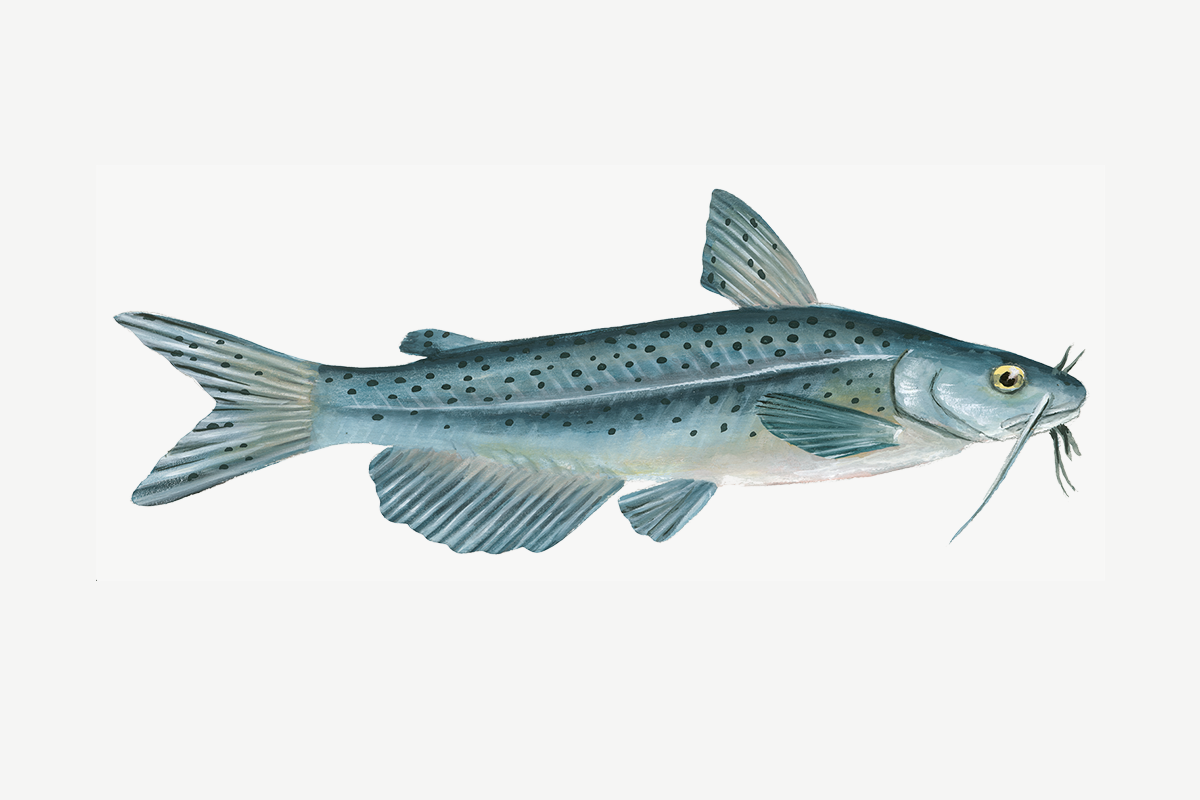
Sustainable catfish & pangasius buying guide
Catfish and pangasius—use this guide to choose wisely.
View this buying guide – Sustainable catfish & pangasius buying guide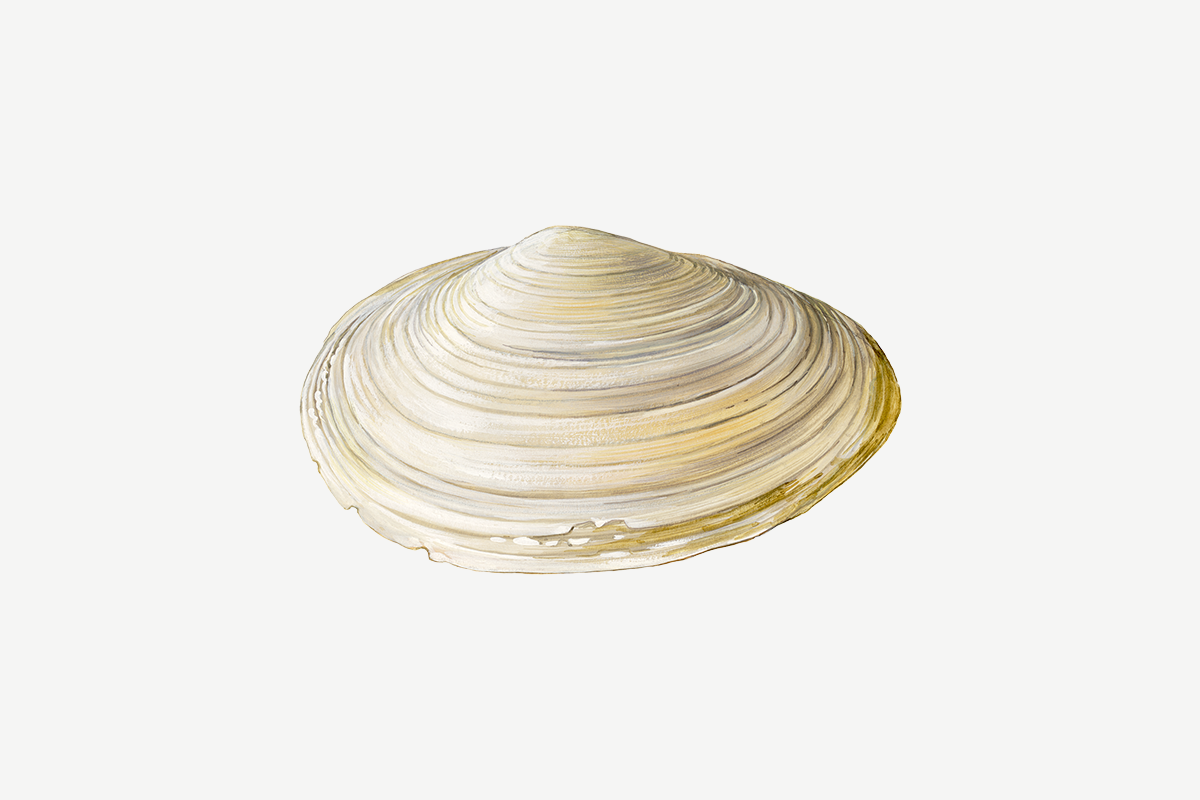
Change & impact
Sustainable clams, mussels, oysters & scallops buying guide
Clams, mussels, oysters, and scallops are among the most sustainable seafood choices.
View this buying guide – Sustainable clams, mussels, oysters & scallops buying guide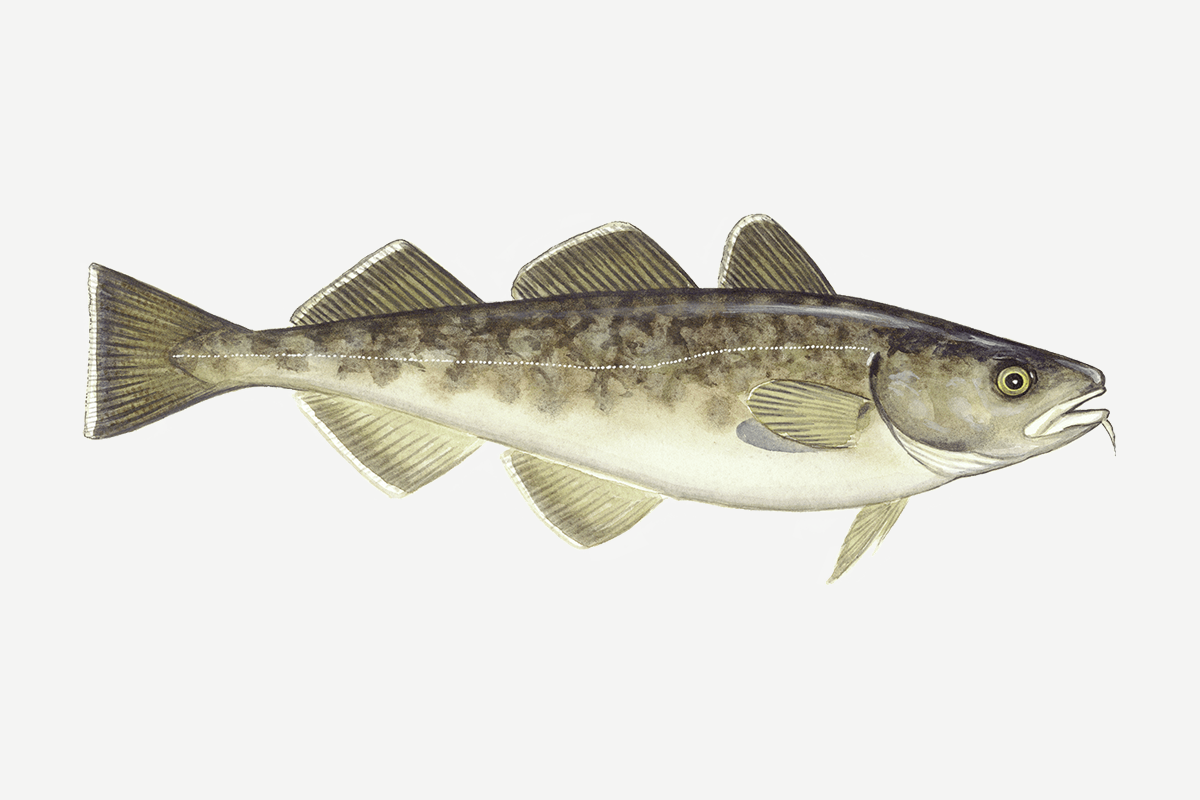
Change & impact
Sustainable cod & haddock buying guide
Know which cod and haddock to buy and avoid the next time you order fish and chips.
View this buying guide – Sustainable cod & haddock buying guide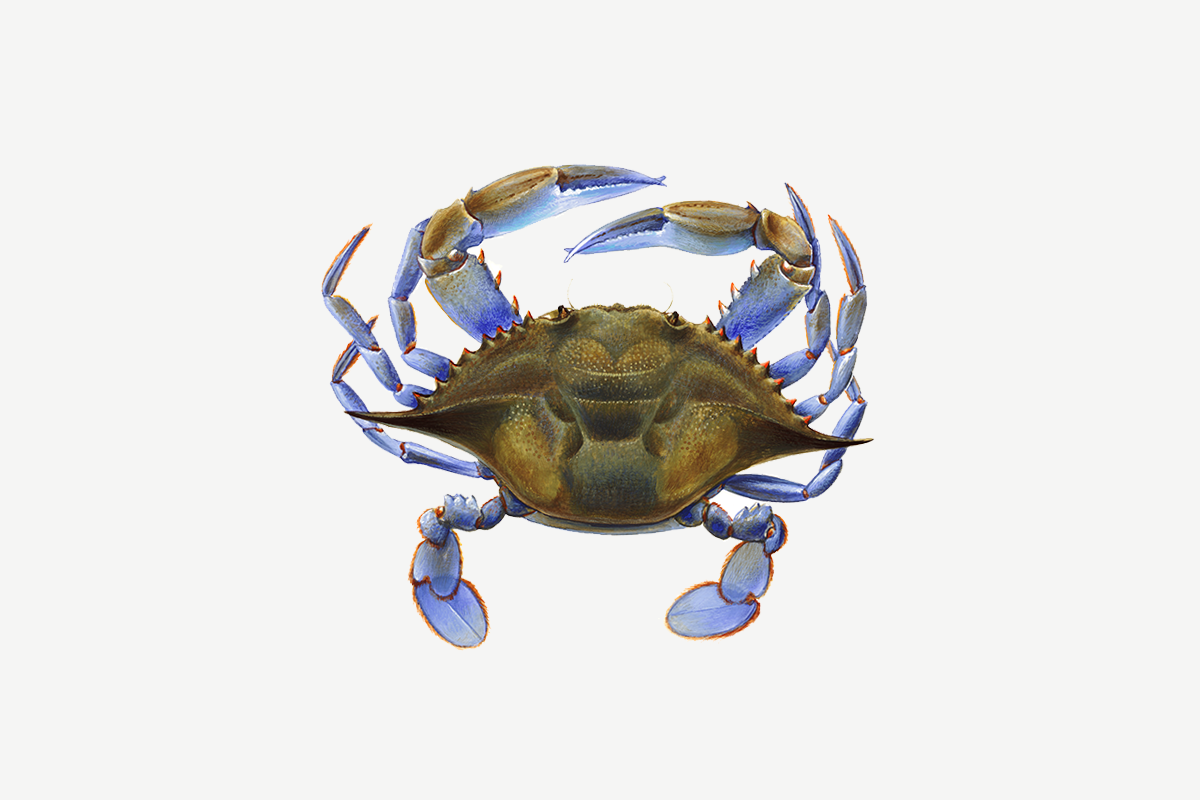
Change & impact
Sustainable crab buying guide
Crab can be tricky, but this guide makes it easy to know what to buy and avoid.
View this buying guide – Sustainable crab buying guide